

.webp)


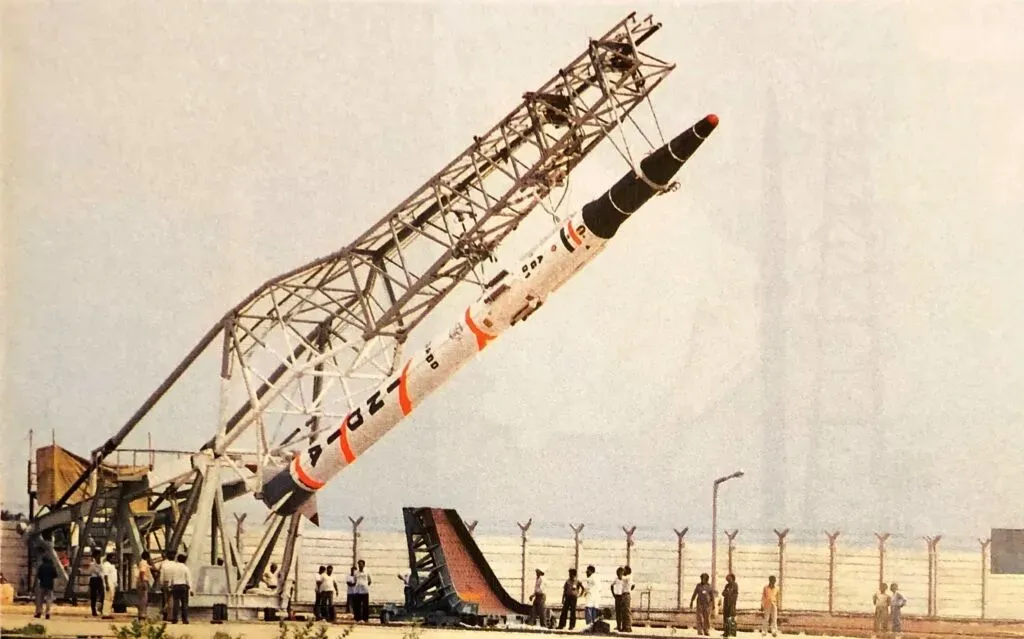
India revolutionized strategic power dynamics via iconic 1989 launch
Successful liftoff of the initial Agni technology demonstrator took place on May 22, 1989, securing a permanent place for India in the elite tier of global military superpowers. Rocketing from the quiet coastline of Chandipur, Odisha, the intermediate-range ballistic missile completed its flight path with absolute precision. This triumph materialized despite immense geopolitical friction, following two nerve-wracking launch cancellations that occurred just days prior to the final green light.

Defying Global Sanctions under Dr. Kalam
Behind this pivotal milestone stood the unwavering resolve of project director Dr. A.P.J. Abdul Kalam. Hours before the countdown, intense diplomatic pressure from Western alliances attempted to stall the operations. Intelligence reports indicated that foreign satellites were actively monitoring the Bay of Bengal coast while severe weather conditions threatened the launch pad. Refusing to yield, the scientific team declared the system had reached a point of no return, executing a flawless launch that eventually traveled a target distance of 1,000 kilometers.
Merging Space Exploration and Security
Engineers built this prototype by blending civilian and military assets, utilising the solid-fuel booster from ISRO’s SLV-3 space vehicle alongside technologies derived from the Prithvi system. The mission validated advanced multi-stage propulsion frameworks and crucial heat-shield mechanisms designed to survive atmospheric re-entry friction exceeding 3,000 degrees Celsius. Rather than tracking as an active weapon system from day one, the government introduced the vehicle as a technology demonstrator to establish domestic manufacturing capabilities.
Turning Point for Self-Reliance
Establishing the Interim Test Range at Chandipur transformed the economic and technological landscape of coastal Odisha, turning Balasore district into the nerve center of Indian aerospace research. This single engineering achievement fundamentally reshaped national security options. The successful execution served as the absolute baseline for the evolution of more advanced long-range variants, eventually enabling the deployment of modern intercontinental systems capable of multi-warhead execution.
.webp)