
.webp)
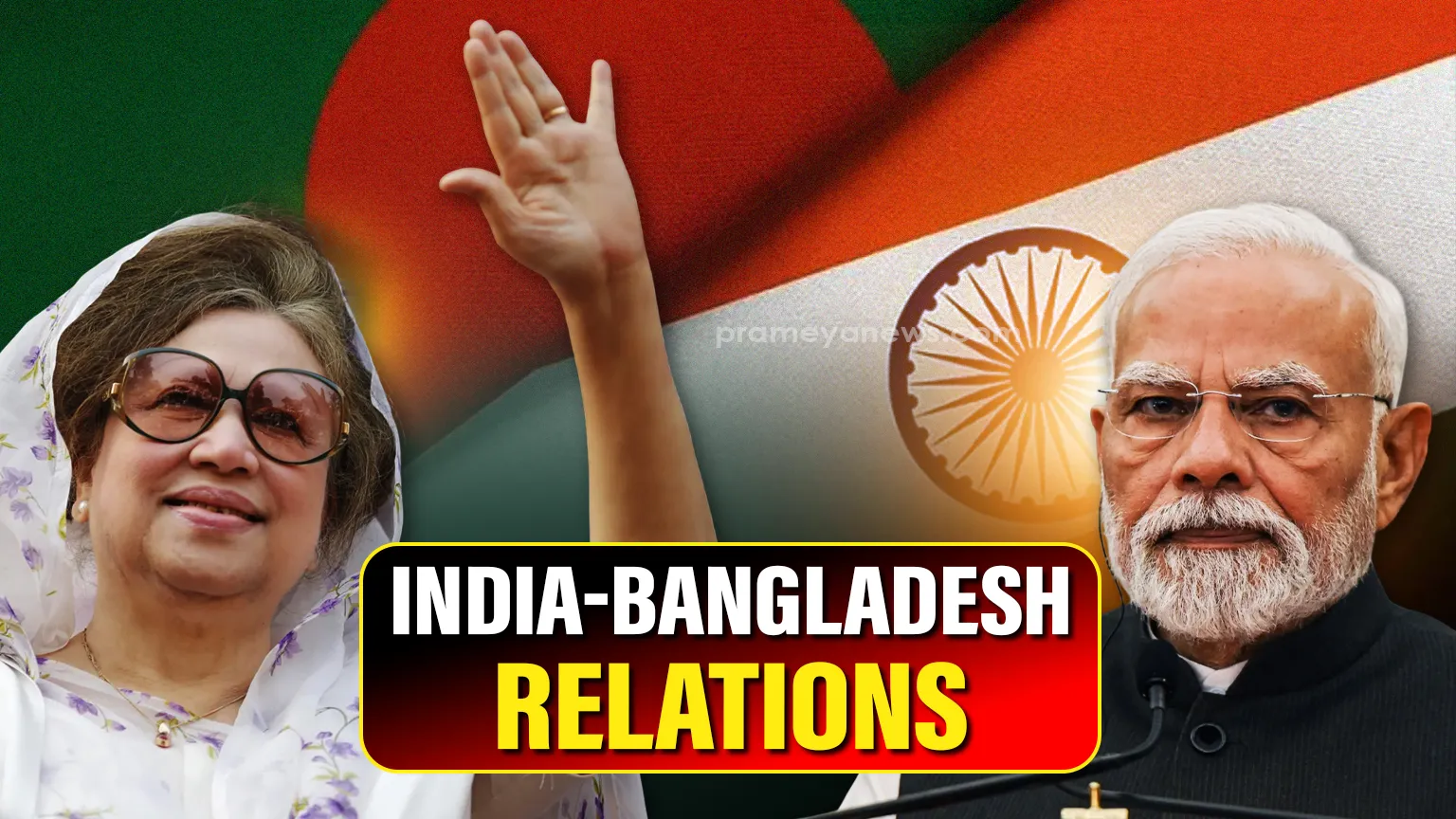
PM Modi supports ailing Zia as bilateral ties slowly improve
After a period of significant tension following the ouster of Sheikh Hasina, India-Bangladesh relations are finally showing promising signs of recovery. Two recent major events have signaled a distinct shift in diplomatic strategy: a quiet but crucial meeting between top security officials and a public gesture of goodwill from Prime Minister Narendra Modi.
The diplomatic ice began to break when Bangladesh’s National Security Adviser (NSA), Khalilur Rahman, traveled to New Delhi. While he was scheduled to attend a regional security forum, Rahman arrived a day early specifically to hold talks with his Indian counterpart, Ajit Doval. Although both sides have kept the details of their conversation private, the meeting itself is a strong indicator that Dhaka intends to maintain stability with its neighbor, regardless of the intense domestic pressure regarding the former Hasina administration.
Perhaps more significantly, PM Modi recently reached out to Khaleda Zia, the chairperson of the Bangladesh Nationalist Party (BNP) and a long-time political rival of Hasina. With Zia currently hospitalized in critical condition due to heart and lung infections, PM Modi posted a message in both English and Bengali offering India's full support for her recovery. The BNP, which is currently the frontrunner for the upcoming February 2026 elections, immediately welcomed this as a positive "goodwill gesture."
This pivot is highly strategic for New Delhi. For decades, India’s diplomatic engagement in Dhaka focused almost exclusively on the Awami League. With Hasina’s party now banned and facing legal action over the recent unrest, India is rapidly recalibrating its approach to ensure it maintains influence in Dhaka. This is particularly urgent given the resurgence of Jamaat-e-Islami, a group with known pro-Pakistan leanings that has been gaining ground under the interim government of Muhammad Yunus.
By engaging with the BNP, India is securing its interests in a post-Hasina landscape. Despite the lingering issue of potential extradition requests, both nations seem eager to ensure that political differences do not completely halt essential bilateral cooperation.
.webp)