


Diplomatic outreach for Prime Minister Tarique Rahman visit to India.
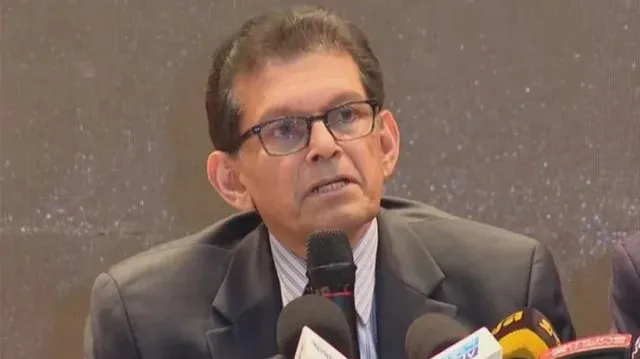
Bangladesh Foreign Minister Khalilur Rahman arrives in New Delhi next week to initiate a major diplomatic recalibration following the recent shift in Dhaka’s leadership. This official engagement marks the first high-level ministerial outreach since the Bangladesh Nationalist Party (BNP), led by Prime Minister Tarique Rahman, took office in February.
Minister Rahman will hold discussions with External Affairs Minister S. Jaishankar, focusing on a broad spectrum of mutual interests. Key topics include addressing the regional energy crisis and the critical renewal of the Ganga Waters Treaty, which reaches its 30-year milestone this December. This meeting is widely viewed as the foundational step for an upcoming state visit by Prime Minister Tarique Rahman, who recently received a formal invitation from Prime Minister Narendra Modi.
Revitalizing Regional Cooperation
Both nations appear eager to move past the friction experienced during the recent interim administration. New Delhi previously signaled its intent for stable relations by sending the Lok Sabha Speaker to attend the new government's swearing-in ceremony. While Dhaka emphasizes a "Bangladesh First" policy, the invitation for the Prime Minister’s family to visit India suggests a mutual desire to rebuild personal and political rapport.
Strategic Energy and Water Dialogues
Securing stable petroleum supplies remains a priority for Dhaka, especially after India provided emergency high-speed diesel consignments earlier this year. Beyond energy, the two neighbors must navigate complex water-sharing agreements that impact millions of farmers in both West Bengal and across the border.
Historically, India-Bangladesh relations have served as the cornerstone of South Asian stability, yet they remain sensitive to shifts in Dhaka’s internal political landscape. This upcoming dialogue represents a rare opportunity to synchronize security and economic goals under a new democratic mandate.