
.webp)

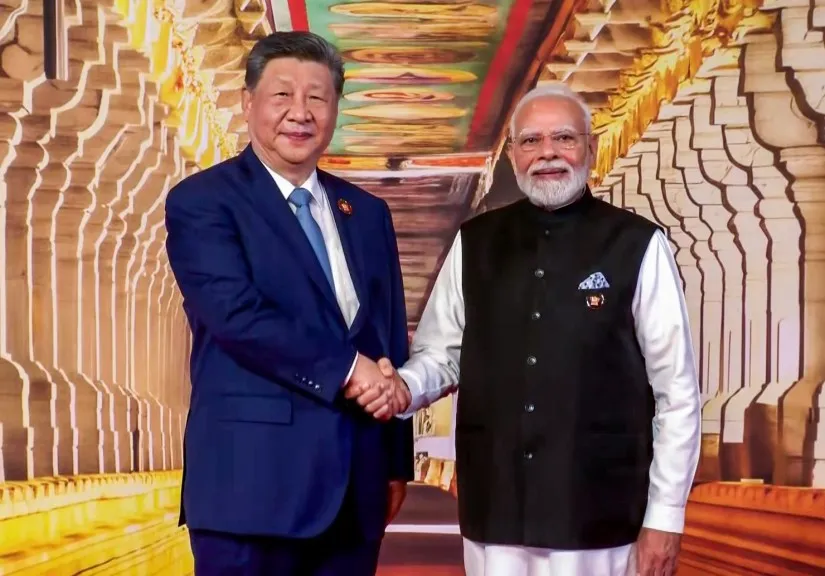
Prime Minister Modi and President Xi have lots on cards to discuss
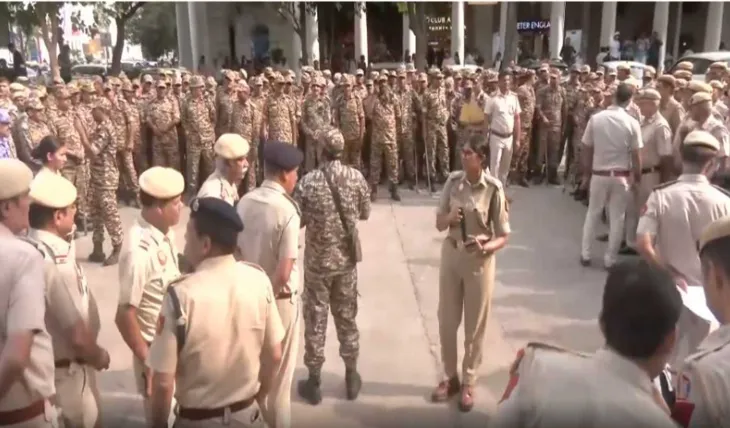
Prime Minister Narendra Modi and Chinese President Xi Jinping are set to hold crucial bilateral discussions on Saturday evening during the ongoing BRICS summit in New Delhi. Around 15,000 security personnel have been deployed to guard the Chinese leader during this highly anticipated diplomatic visit. Relations between these two Asian nations have experienced severe strain, necessitating careful diplomatic navigation since the 2020 Eastern Ladakh standoff. Resolving friction along the Line of Actual Control remains central to these high-level conversations.
Border tensions
Both nations view sustained peace along their shared frontiers as vital for normalising broader diplomatic engagements. Recent military friction reported this past July in the Taksing area of Upper Subansiri district necessitated swift corps commander-level negotiations to restore calm. Officials in New Delhi consistently maintain that economic and diplomatic progress depends entirely on border stability. Beijing traditionally prefers treating boundary disputes as a separate issue from wider bilateral cooperation.
Arunachal Pradesh disagreements
Disagreements regarding Arunachal Pradesh continue to require diplomatic attention. Officials in New Delhi firmly reject recent attempts by Beijing to standardise geographical names for 27 specific locations within the northeastern state. Disagreements regarding the eastern sector of the boundary also require continued high-level communication to prevent future misunderstandings.
Brahmaputra River concerns
Water security represents another critical talking point for the two leaders. India plans to raise concerns regarding a proposed $137 billion mega hydropower project on the Yarlung Tsangpo, known downstream as the Brahmaputra. New Delhi is actively seeking greater data transparency to understand how this large-scale engineering effort might impact downstream communities, especially given recent glacier-related weather anomalies.
Evaluating trade and investments
Economic imbalances heavily favouring Beijing will drive much of the commerce discussion. Indian businesses currently struggle to secure vital machinery and electronics due to supply chain complications. Leaders will also evaluate visa restrictions hindering business travel and review the status of foreign capital deployment. Recent joint ventures, such as the partnership between Dixon Technologies and Vivo, suggest a gradual easing of regulations in sectors like solar cells and capital goods. Constructing a predictable framework for resolving disagreements through established diplomatic channels remains the ultimate goal for this weekend.
.webp)