


Growing religious diversity triggers opposition in Fujisawa
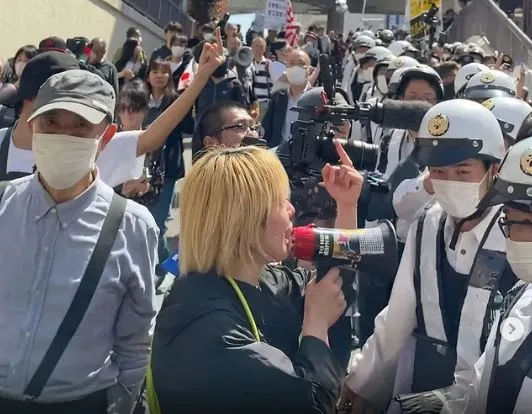
Residents in the coastal city of Fujisawa recently organised a significant demonstration to oppose the construction of a new mosque in the Miyahara district. Protesters gathered in large numbers, voicing anxiety over how the Islamic center might alter the traditional aesthetic and social fabric of their neighborhood. Many locals pointed to a nearby Shinto shrine, arguing that the proposed religious structure would dwarf existing cultural landmarks and disrupt the "visual harmony" of the area.
Beyond architecture, the community expressed logistical worries regarding traffic congestion during Friday prayers and potential noise from the internal call to prayer. While city officials confirmed that the "Fujisawa Masjid" project adheres to all zoning laws and building regulations, the friction highlights a deepening divide. The organisation leading the project has pledged to manage crowds and keep religious sounds indoors to respect the local environment.
Historically, Japan has maintained a highly homogenous social structure, but recent decades have seen a shift. The Muslim population in the country has surged from approximately 110,000 in 2010 to over 400,000 today, driven largely by students and workers from Indonesia and Pakistan. This rapid demographic change is testing Japan’s traditional "Omotenashi" (hospitality) as urban centers grapple with the physical requirements of diverse faiths.
Local Resistance and Legal Rights
Opponents argue that the scale of the Miyahara project is disproportionate to the neighborhood's needs. However, Japanese authorities maintain that religious freedom and property rights must be protected if the project meets technical safety standards.
Path toward Coexistence
Advocates for the mosque hope that transparency will bridge the gap. In other Japanese prefectures, initial resistance to Islamic centers often subsided once residents engaged in direct dialogue with Muslim community leaders. For now, Fujisawa remains a focal point for Japan's evolving conversation on multiculturalism.
With inputs and Image from Public Domain