
.webp)

FSSAI mandates strictly plastic-free packaging options for pan masala
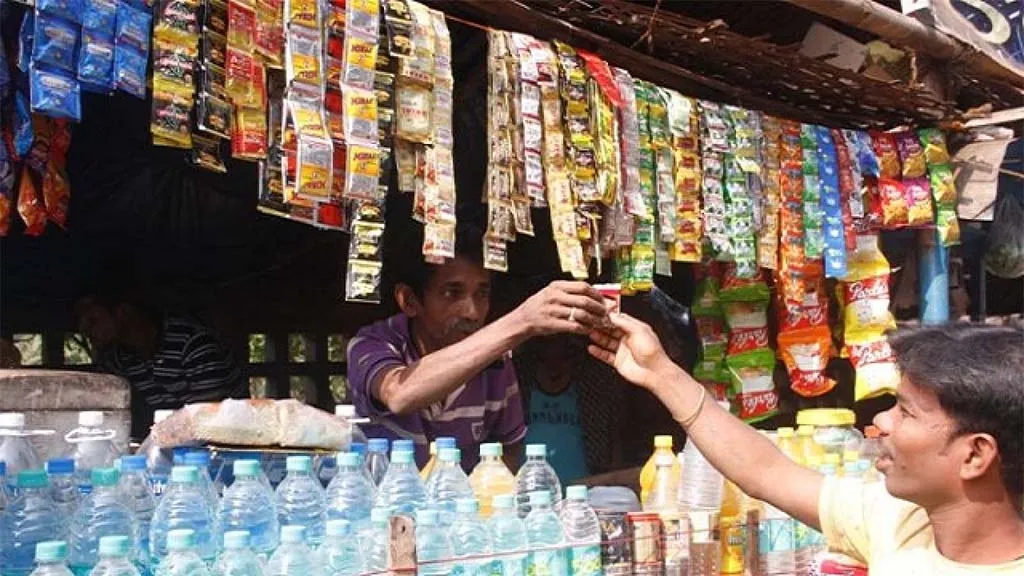
India's food safety regulator has completely restricted plastic materials for packing pan masala across the country. Starting Monday, August 10, the Food Safety and Standards Authority of India (FSSAI) enforced new regulations demanding plastic-free pouches and boxes for these products. This update modifies the 2018 packaging laws, directly placing pan masala into a newly regulated category. India has struggled with vast amounts of non-biodegradable waste generated by tiny, single-use sachets, making this shift a necessary step for environmental health. The updated rules mandate that companies can only use natural materials like paper, paperboard, or cellulose. Buyers will also see more products sold in traditional tin or glass containers.
Banning synthetic packaging materials
Manufacturers cannot sneak plastic into their paper wrappers anymore. The official notification clearly blocks the use of polyethylene, PVC, polyester, and similar synthetic polymers. Furthermore, companies must avoid metallic layers and aluminium foil entirely. Even if a brand uses an outer paper shell, hidden plastic or foil linings will violate the new standards set by authorities. Before finalising this regulation, the government asked citizens for their opinions. Officials released the initial draft on April 28, 2026, allowing people 60 days to share their thoughts and objections. The Union Ministry of Health and Welfare reviewed this public feedback carefully before giving final approval under the Food Safety and Standards Act of 2006.
Important guidelines from the 2016 Plastic Waste Management Rules now apply strictly to these businesses. Keep in mind, the government did not ban pan masala itself. They merely changed how it reaches the consumer. By pushing brands toward eco-friendly alternatives, authorities hope to reduce the dangerous pollution linked to millions of discarded synthetic wrappers every day.
Image Courtesy: Taj with Guide
.webp)