
.webp)

Four nations pledge billions to secure technology supply chains
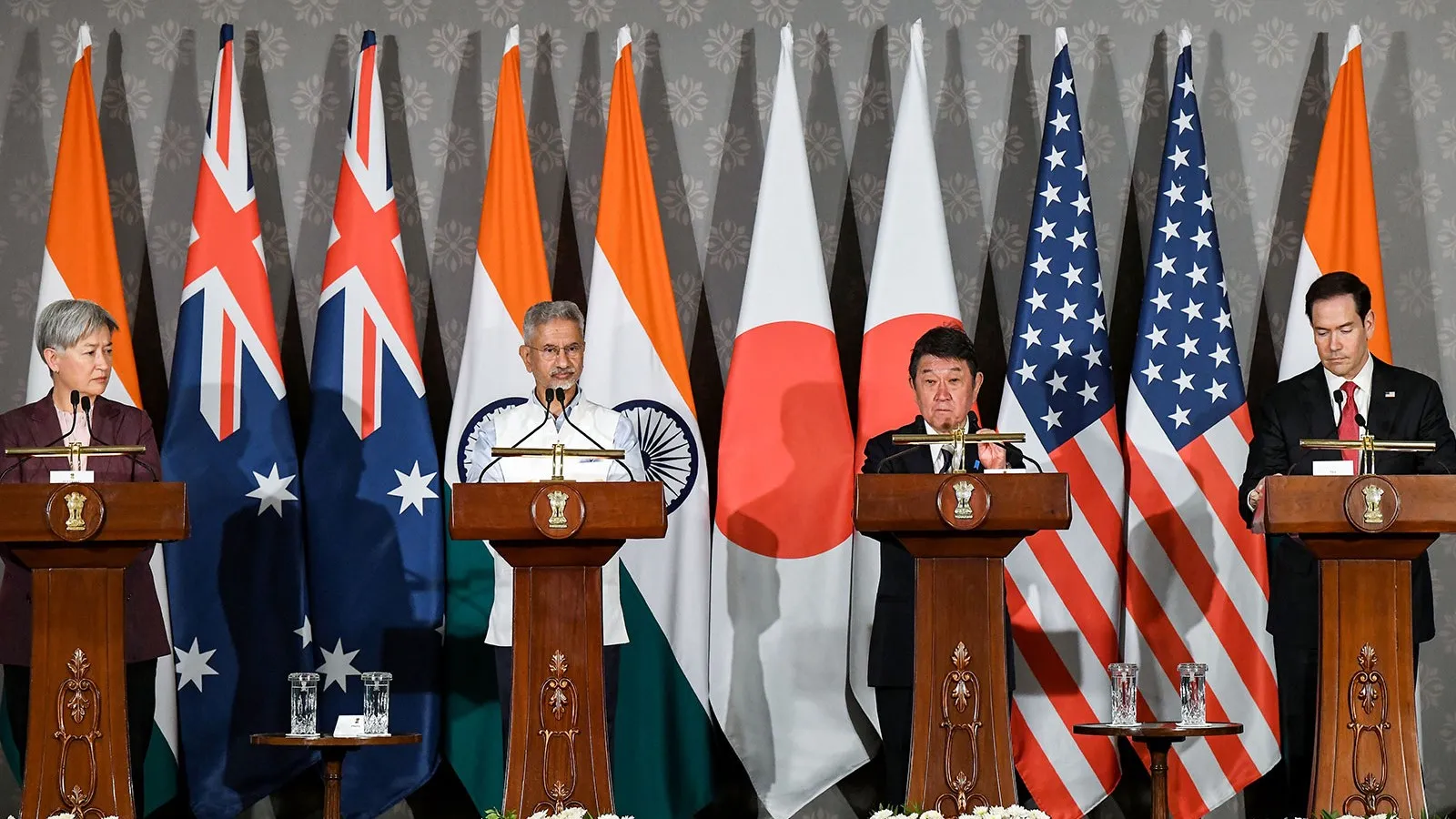
India, Australia, Japan, and the United States have launched a joint economic strategy to inject up to 20 billion dollars into securing raw materials vital for high-tech manufacturing. Announced directly after the Quad Foreign Ministers Meeting, this newly minted Quad Critical Minerals Initiative Framework draws from both state funds and private investments. The financial surge targets the extraction, processing, and recycling of materials required for semiconductors, electric vehicles, and defense tech across the Indo-Pacific.
Geopolitical realities drive this coordinated effort, as Western allies and India increasingly seek reliable alternatives to China's dominant grip on global mineral processing. For India, securing these resource corridors is crucial to fuel its domestic semiconductor ambitions and clean-energy transition. According to official communications from the Ministry of External Affairs, the alliance intends to deploy targeted financial tools to foster fair markets and eliminate vulnerabilities within existing trade networks.
Coordinated action will run along three main pathways. The first concentrates on direct investments and finding specific mining projects where the four nations can pool resources. Next, member states will focus on regulatory alignment, which includes sharing administrative data to speed up permits and licensing timelines. Finally, the alliance will tackle market vulnerabilities by addressing unfair trade practices and non-market policies from competing non-member states.
Electronic waste will serve as a secondary source for these valuable materials. The strategy outlines plans to streamline cross-border trade procedures for scrap metal and tech waste among partner countries. By investing heavily in recycling technologies, the four governments hope to create a self-sustaining loop that keeps rare earth elements moving smoothly within friendly borders.
.webp)