Commercial Standoff Leaves Rights Unsold
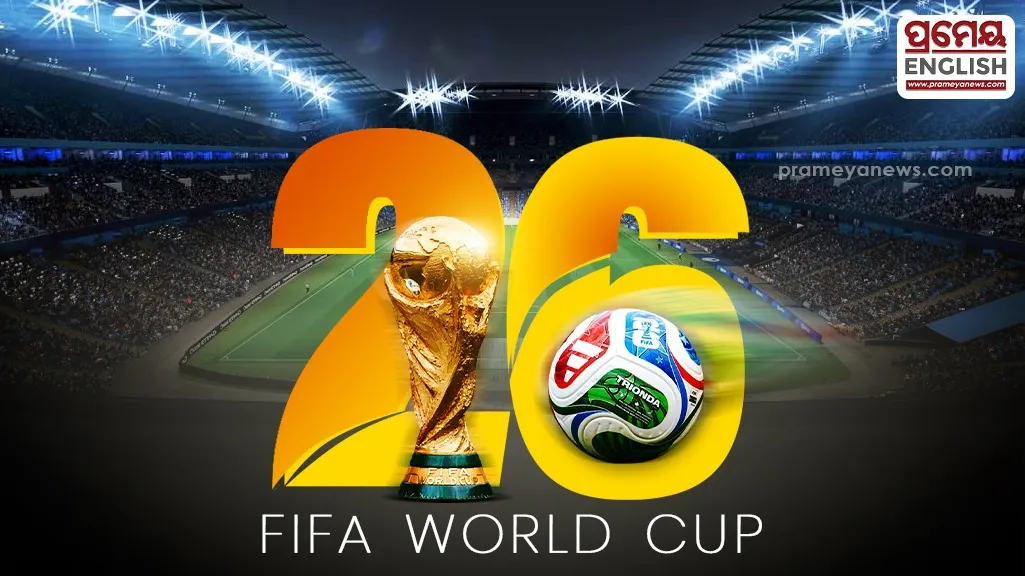
Football viewers in India face an unprecedented blackout threat as Prasar Bharati clarified it holds no legal obligation to purchase television rights for the upcoming global tournament. Speaking before Justice Purushaindra Kumar Kaurav, the state-run network asserted that acquiring commercial media properties sits squarely outside its public service remit. Consequently, the petitioner chose to withdraw the legal action from the Delhi High Court, looking for alternative statutory remedies.
This dramatic development arises just weeks prior to the June kickoff in North America. Historically, local sports fans have relied heavily on terrestrial networks like Doordarshan for major events, particularly across football-crazy pockets like Odisha, West Bengal, and Kerala where free-to-air access drives community viewership.
Financial Disagreements and Broadcast Hurdles
Negotiations remain completely stalled due to steep pricing mismatches between the global governing body and regional networks. Reports indicate that football administrators dropped their initial subcontinental valuation from $100 million to $35 million, even rejecting a recent $20 million proposal from JioStar.
Local corporations remain cautious about heavy financial commitments because of unfavorable kickoff timings. With matches broadcasting from Canada, Mexico, and the United States, primary fixtures will stream during early morning hours locally, lowering projected advertising revenue.

.webp)


.webp)