

.webp)


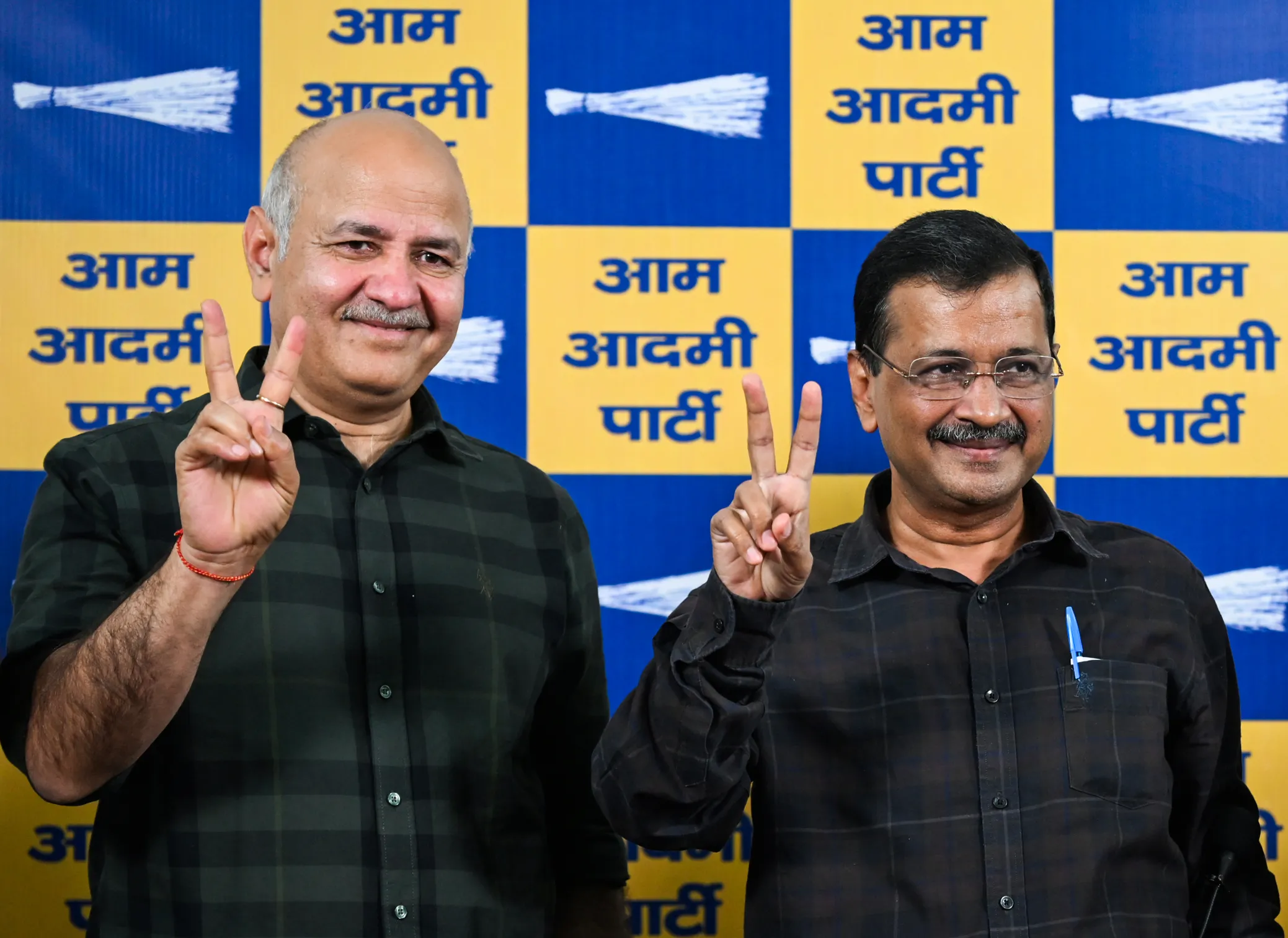
New Delhi , April 13 (ANI): "I am not questioning the integrity of the court, but I have a real and reasonable apprehension that I may not get a fair hearing", with this, former Delhi Chief Minister Arvind Kejriwal opened his arguments before the Delhi High Court on Monday, pressing for recusal of Justice Swarana Kanta Sharma in the CBI's excise policy case.
Appearing in person, Kejriwal built his case around the principle that even a reasonable apprehension of bias is sufficient in law to seek recusal. He told the Court that his plea is based on ten specific grounds and insisted that the issue lies in perception, not proof of actual bias.
Central to his submissions was the argument that earlier observations of the Court in related matters had been "so strong" that they appeared to carry the weight of final findings. He referred to multiple previous cases, including those of the co-accused, to argue that such observations now cast a shadow on the present proceedings. "The question is whether those earlier views continue to weigh in the mind of the court," he submitted.
Kejriwal contrasted these observations with the trial court's discharge order, which came after months of day-to-day hearings and held that no offence, bribery or proceeds of crime were established, while also questioning the reliability of approver statements. He argued that the High Court's interim intervention, particularly the March 9 order passed without hearing all parties, had the effect of undermining those findings. "What was the urgency for such an order?" he asked, adding that it created a serious doubt in his mind.
He further contended that discharge orders are not to be stayed lightly, citing Supreme Court precedent, and argued that the partial stay granted in his case effectively diluted the trial court's conclusions. He also raised concerns over the pace of proceedings, stating that his matter was being heard at an unusually fast rate compared to other criminal revisions, both involving opposition leaders.
Seeking parity, Kejriwal referred to instances where recusal had been accepted on the basis of apprehension alone. "I am only asking for the same standard," he said, adding that his apprehensions are on "stronger footing."
Throughout his submissions, Kejriwal maintained that his plea is limited and procedural in nature, stressing that the recusal issue is "between the court and the party" and not a matter for the prosecuting agency.
The Court, however, indicated that it would confine the hearing strictly to the recusal application and the grounds raised, observing that issues relating to the merits of the trial court's order would be considered separately.
Opposing the plea, the Central Bureau of Investigation (CBI), through Solicitor General Tushar Mehta, termed the application "frivolous, vexatious and baseless," arguing that it is founded on conjectures and aimed at undermining the institution of the judiciary. He submitted that dissatisfaction with interim observations cannot justify recusal and warned that such practices would lead to "bench hunting."
The CBI maintained that interim observations are tentative and cannot be construed as biased. It defended the March 9 order, stating that courts are empowered to pass interim directions based on available material and legal questions, even without examining the entire trial court record at that stage.
The agency also argued that service of notice through counsel is legally valid and that proceedings under the Prevention of Money Laundering Act (PMLA) continue unless there is a final acquittal in the predicate offence. It further denied any undue haste in the proceedings, citing the need for expeditious adjudication in cases involving public representatives. Concluding its submissions, the CBI urged the Court to dismiss the plea with costs, calling it an abuse of process.
The High Court is currently hearing the CBI's challenge to the trial court's discharge of Kejriwal, former Deputy Chief Minister Manish Sisodia, and others in the Delhi Excise Policy 2021-22 case. Earlier, the Chief Justice had declined a request for transfer of the matter, leaving the question of recusal to be decided by the concerned bench.
The case pertains to alleged irregularities in the now-scrapped Delhi Excise Policy 2021-22, which remains under investigation by central agencies, with several AAP leaders named as accused.
Meanwhile, on Monday, former Delhi CM and AAP National Convener Arvind Kejriwal arrived at the Delhi High Court for a hearing on his recusal petition. He filed his recusal petition before Justice Swarn Kanta Sharma.
Declining to comment on the case outside the courtroom, Kejriwal, while talking to the reporters, said, "I will speak only before the Court. Matter is sub-judice." (ANI)
.webp)