
.webp)

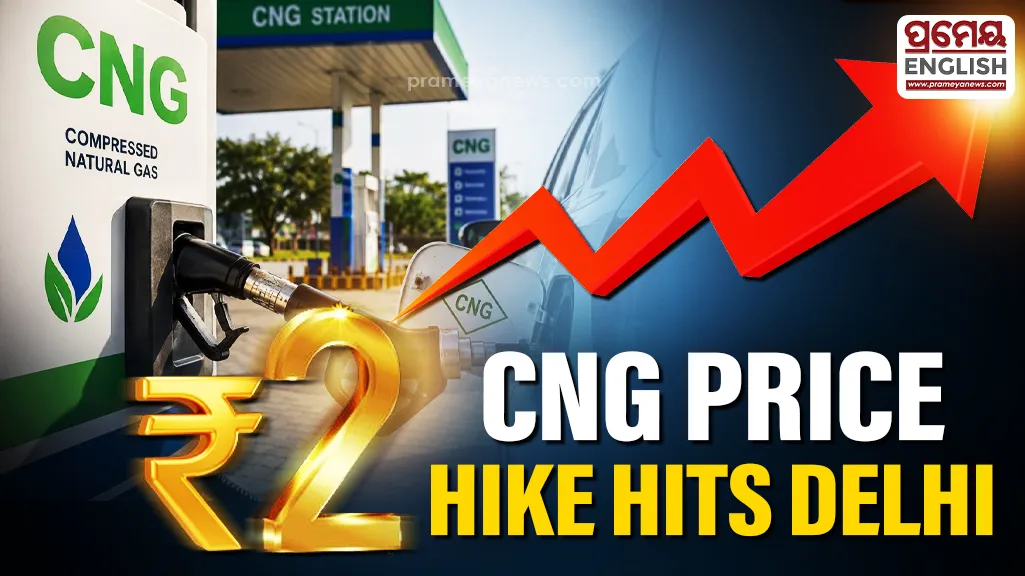
Commuters face fresh strain as Delhi CNG rates rise.
Compressed Natural Gas rates in the national capital increased by ₹2 per kilogram on Tuesday morning, dealing a severe blow to budget-conscious commuters and transport operators. State-run retailer Indraprastha Gas Limited implemented this revision at 6 am, pushing the retail price of the fuel to ₹83.09 per kilogram in Delhi. This adjustment marks the fourth upward revision in eco-friendly automotive fuel prices within the past fortnight, accumulating a total rise of ₹4 per kilogram since mid-May.
Neighboring urban hubs within the National Capital Region face a steeper tariff, with citizens in Noida, Ghaziabad, and Greater Noida now paying ₹91.70 per kilogram. Commuters in Gurugram will purchase the fuel at ₹88.12 per kilogram following the fresh revision. The quick succession of these adjustments follows a brief interval of stable pricing, catching many public transit users off guard.
This domestic surge stems from volatile international energy dynamics driven by escalating geopolitical friction in West Asia. India relies heavily on foreign imports to satisfy nearly 85 percent of its domestic crude requirements, making local pump stations highly vulnerable to supply chain logjams near the vital Strait of Hormuz transit passage. While coastal regions like Odisha rely more on standard petroleum networks and local distribution setups like GAIL, landlocked metro cities experience immediate inflationary shocks whenever global procurement costs fluctuate.
Auto-rickshaw operators, taxi fleets, and logistics companies express profound anxiety over the cascading financial strain. Industry experts predict that the higher operational expenditures for commercial transporters will eventually influence retail prices for everyday household commodities, vegetable supplies, and essential groceries. Coming on the heels of parallel hikes in commercial petrol and diesel rates earlier in the week, this latest revision intensifies broader public concerns regarding near-term transport inflation across urban transit networks.
.webp)