



By Pradeep Kumar Subudhi
Bhubaneswar, June 29: Deba Snana Purnima, also known as Snana Jatra, is one of the grandest and most spiritually significant festivals in the annual ritual calendar of Lord Jagannath. Celebrated with immense devotion and elaborate temple traditions at the sacred Jagannath Temple in Puri, the festival marks the ceremonial public bathing of the sibling deities—Lord Jagannath, Lord Balabhadra, Devi Subhadra, and Sudarshana. It also heralds the beginning of the annual sequence of rituals leading to the world-renowned Ratha Yatra, attracting millions of devotees from across the globe.
Observed on the full moon day (Purnima) of the Hindu month of Jyeshtha, Deba Snana Purnima is the only occasion during the year when the deities emerge from the sanctum sanctorum (Ratna Singhasana) and offer public darshan to devotees outside the temple's inner shrine. This rare appearance symbolises the Lord's accessibility to all devotees irrespective of caste, creed, or social status, reflecting the inclusive philosophy that lies at the heart of the Jagannath tradition.
A Festival Rooted in Ancient Tradition
The origins of Snana Jatra are believed to date back several centuries and find mention in ancient scriptures and temple chronicles. The festival commemorates the divine bathing ceremony of Lord Jagannath and is regarded as the celestial birthday celebration of the Lord. Over time, it has evolved into one of Odisha's most cherished religious festivals, blending sacred rituals with vibrant cultural traditions.
Every year, lakhs of pilgrims, saints, scholars, and tourists gather in the holy town of Puri to witness this magnificent spectacle of faith. The temple premises resonate with devotional fervour as conches, bells, cymbals, traditional musical instruments, and the chanting of sacred hymns fill the air, creating an atmosphere of unparalleled spiritual ecstasy.
The Sacred Ritual of Snana Jatra
The festivities begin with the ceremonial Pahandi Bije, an awe-inspiring ritual in which the deities are ceremoniously carried from the sanctum sanctorum to theSnana Mandap, the elevated bathing platform situated within the temple complex. Accompanied by temple servitors, priests, musicians, and thousands of chanting devotees, the grand procession is a remarkable display of Odisha's living temple traditions.
At the Snana Mandap, the deities are ceremonially bathed with 108 pitchers (Kalashas) of sanctified water drawn exclusively from the sacredSuna Kua (Golden Well)located inside the temple premises. The water, considered supremely pure, is collected following elaborate rituals and strict religious protocols.
The ceremonial bathing is performed according to ancient Vedic traditions and centuries-old temple customs. Each pitcher is offered with sacred mantras, symbolising purification, divine compassion, and the Lord's blessings upon humanity. The ritual also signifies the eternal relationship between the Supreme Lord and His devotees, reaffirming the ideals of devotion, surrender, and spiritual renewal.
Hati Besha: The Majestic Elephant Attire
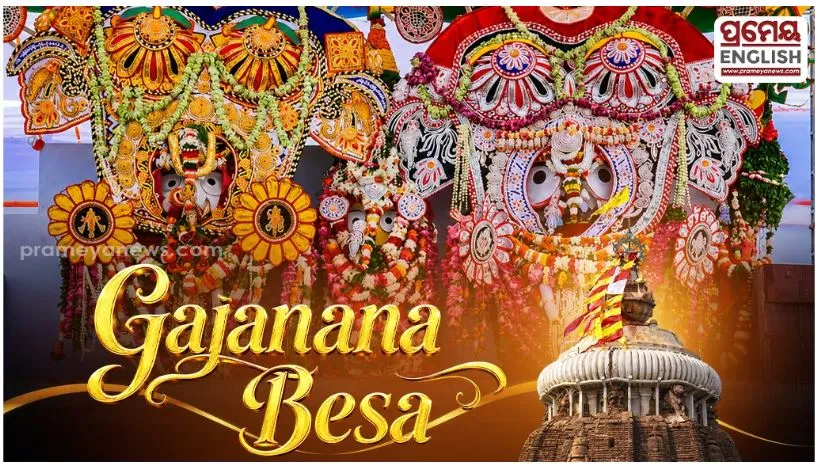
Among the most eagerly awaited moments of Snana Jatra is the spectacular Hati Besha(Elephant Attire), during which Lord Jagannath and Lord Balabhadra are adorned with elaborate elephant-like decorations crafted from traditional materials, colourful fabrics, floral ornaments, and sacred embellishments.
The Hati Besha carries profound religious symbolism. According to temple tradition, the attire commemorates the unwavering devotion of a Ganapati (Lord Ganesha) worshipper who desired to see Lord Jagannath in a form resembling the elephant-headed deity. Pleased by the devotee's sincere faith, the Lord is believed to have accepted the elephant form, thereby demonstrating His universal nature and boundless compassion.
Another interpretation links the attire with the Gajendra Moksha episode from Hindu scriptures, representing divine protection and the Lord's readiness to rescue devotees from suffering. The elephant, revered as a symbol of wisdom, strength, prosperity, and royal dignity, further enhances the spiritual significance of this unique adornment.
The Hati Besha also reflects the inclusive philosophy of the Jagannath cult, which harmoniously embraces multiple streams of worship and acknowledges the unity of different manifestations of the Divine. The breathtaking sight of the deities dressed in this majestic attire captivates devotees and visitors alike, making it one of the most photographed and cherished moments of the annual festival.
Anasara: The Divine Period of Recuperation
Following the elaborate ceremonial bath, temple tradition holds that the deities develop a fever after being bathed with the large quantity of sacred water. Consequently, they retire from public view for a fortnight in a sacred period known as Anasara or Anavasara.
During this time, the deities remain in a special chamber where they are believed to undergo divine recuperation. They receive traditional herbal treatments and are offered medicinal preparations by the temple servitors, reflecting the deeply human attributes associated with Lord Jagannath's divine personality.
Since devotees are unable to have darshan during Anasara, many undertake pilgrimages to the nearby shrine of Alarnath at Brahmagiri, believing that Lord Jagannath manifests there during His period of seclusion.
Nabajouban Darshan: The Lord's Rejuvenated Appearance
The conclusion of Anasara culminates in the much-awaitedNabajouban Darshan, literally meaning "the vision of renewed youth." On this auspicious occasion, the rejuvenated deities reappear before devotees, radiating divine beauty and renewed splendour after their period of rest.
This rare darshan is considered highly auspicious and serves as the immediate precursor to the grandRatha Yatra, when Lord Jagannath, Lord Balabhadra, Devi Subhadra, and Sudarshana embark upon their annual journey to the Gundicha Temple aboard their magnificent chariots.
Cultural Heritage Beyond Religion
Deba Snana Purnima is not merely a religious observance but a magnificent celebration of Odisha's rich cultural heritage. The festival showcases centuries-old temple rituals, traditional Odissi music, devotional performances, hereditary temple customs, and the collective participation of thousands of servitors who preserve these sacred traditions with remarkable devotion.
The festival reinforces the enduring ideals of equality, compassion, inclusiveness, and universal brotherhood that define the Jagannath philosophy. It embodies the belief that the Divine belongs to everyone and transcends barriers of religion, language, caste, and nationality.
For Odisha, Snana Jatra is a living expression of its spiritual identity and cultural pride. For millions of devotees worldwide, it represents an opportunity to witness the Lord's boundless grace, seek divine blessings, and prepare spiritually for the magnificent Ratha Yatra—the grand festival that continues to inspire faith and devotion across generations.
As the sacred waters of Snana Purnima cleanse the divine idols, they also symbolically purify the hearts of devotees, reminding humanity of the eternal values of humility, devotion, compassion, and the timeless bond between the Lord and His devotees.