


Landmark ruling finally allows a peaceful end to tragic suffering of Harish Rana
Harish Rana has breathed his last, marking a profound moment in medical and legal history. Following a groundbreaking Supreme Court judgment, doctors at AIIMS-Delhi officially withdrew his clinical life support. This tragic yet monumental event happened on a quiet Tuesday, finally bringing peace to a young man who spent over a decade trapped in an irreversible coma.
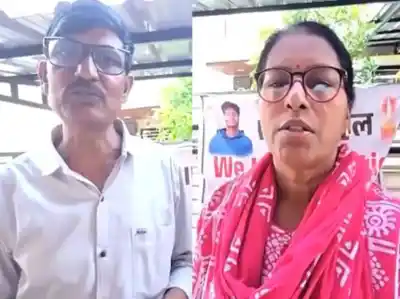
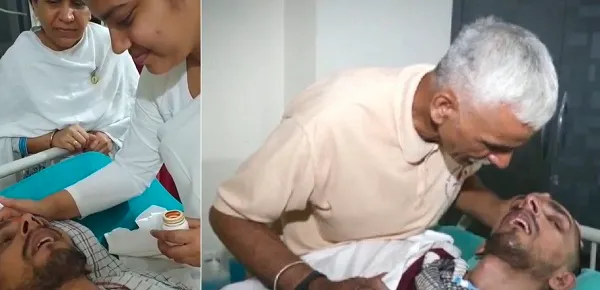
Back in 2013, a devastating fall from a fourth-floor balcony left this bright Panjab University engineering student with catastrophic head injuries. He remained in an unresponsive state for 13 painful years. His devoted parents, Ashok and Nirmala, never left his side during this harrowing ordeal at their Ghaziabad residence, fighting tirelessly for his well-being.
Landmark Supreme Court Decision
Justices from the country's top court delivered a compassionate and historic ruling on March 11. They officially permitted the withdrawal of clinical nutrition, recognizing that keeping him alive artificially offered no hope of actual recovery. This verdict established the very first officially sanctioned instance of passive euthanasia India has ever witnessed. By removing his feeding tubes, the medical team ensured his suffering would not be unnecessarily prolonged.
Palliative care specialists took charge of this delicate transition. Harish moved to a specialized unit on March 14 under the careful guidance of Dr. Seema Mishra and her expert medical board. They carefully managed the gradual removal of his life-sustaining systems to guarantee his absolute right to die with dignity in his final moments. Looking beyond this single heartbreaking case, the apex court has directed the central government to establish clear guidelines for similar situations. Moving forward, families facing these agonising circumstances will not require direct judicial intervention if approved by official medical boards.
With Agency Inputs