.webp)

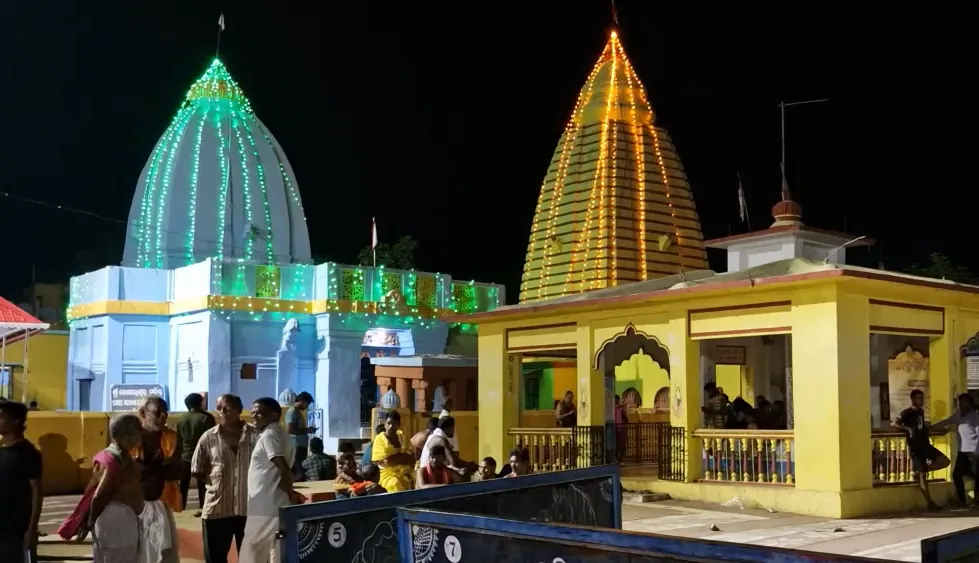
Patnagarh, October 20: The historic Boil Jatra of Maa Pataneswari in Patnagarh, in Odisha’s Balangir district, continues to preserve a centuries-old religious tradition rooted in royal history, local folklore and deep faith. The annual festival draws thousands of devotees who gather to witness its distinctive rituals and ceremonial procession.
A major attraction of the festival is the belief that Maa Pataneswari enters the body of a Barua, a ritual medium, once a year and manifests herself to bless devotees. The Barua then participates in a series of traditional rituals and moves through the town as part of the religious proceedings.
According to local historical accounts and folklore, the Boil Jatra tradition dates back to the reign of Patna King Anantavarma. The festival has continued through generations, surviving changes in the region’s royal establishment.
Also Read: Bargarh Dhanu Jatra documentary showcases 79-year cultural legacy
Local traditions also associate the ritual with the history of Ramai Deo, the first Chauhan ruler of the Kausala kingdom, who is said to have defeated Ashtamalli in 1159. The associated legends remain an important part of the region’s religious beliefs.
On Mahanavami, the Barua undergoes a special ritual in the evening. After applying sandalwood tilak, priests draw a sacred yantra in front of Maa Pataneswari’s temple and seat the Barua on it before invoking the Goddess.
Devotees believe that the Goddess enters the Barua’s body during the ceremony. The sound of drums and the traditional muhuri instrument fills the Shakti Peeth, marking one of the most significant moments of the festival.
Sacred sword ritual and traditional beliefs
Another important feature of Boil Jatra is the ritual involving the Patkhanda, a sacred sword worshipped at Maa Pataneswari Temple.

During the ceremony, the sword is brought to the Barua, who visits places associated with the burial of different body parts of Ashtamalli and strikes the designated spots with the weapon. According to local belief, this ritual prevents Ashtamalli from bringing danger or harm to the region for the following year.
The festival also includes a special ritual on Ashtami, when offerings made to the Goddess are placed at the four gates of the fort. Local folklore holds that this awakens the Yoginis and protects the fort.
The Barua later visits Raj Khamar to seek the blessings of Maa Dashamati. Patna Maharaja Kanak Vardhan Singh Deo also visits the site to pay his respects to the Goddess.
The celebrations reach another highlight when the Barua returns to the temple. Accompanied by drums and traditional martial music, the ritual performances associated with Maa Pataneswari and Maa Samaleswari attract large crowds.
Thousands of devotees from different parts of the region gather to witness the unique ceremony, which stands out among Odisha’s traditional religious festivals.
The Boil Jatra remains an important expression of Patnagarh’s cultural identity, combining royal history, religious devotion and centuries-old customs. Its continued observance reflects the community’s commitment to preserving a distinctive part of Odisha’s heritage.
.webp)