


Bhubaneswar, May 28: World Menstrual Hygiene Day is being observed today with the aim of breaking the silence surrounding menstruation, ending period, and recognizing menstrual health as a fundamental human right. The theme for this year is “Together for a Period Friendly World.”
Bhubaneswar, May 28: Safe and hygienic menstrual practices continue to remain a major challenge in Odisha, particularly in rural areas. Despite gradual changes in mindset in urban regions, discussions around menstruation are still considered taboo in many parts of society. Lack of awareness and social stigma continue to affect menstrual hygiene management among women and adolescent girls.
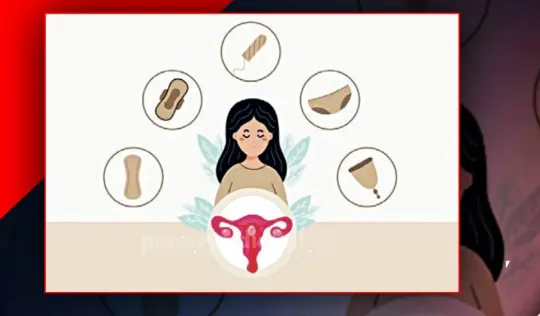
In villages across the state, many women still rely on cloth or government-supplied sanitary napkins during menstruation. Awareness regarding eco-friendly menstrual alternatives such as menstrual cups, tampons, and discs remains limited among a large section of women in Odisha. Various surveys conducted on menstrual hygiene have highlighted these concerns.
According to data published in BMC Women’s Health, nearly 31.6 percent of women in rural areas use cloth during menstruation, while 61 percent use sanitary pads and 7.2 percent use both cloth and sanitary pads. The survey also revealed that 46 percent of women were unaware of menstruation before experiencing their first period. The findings were based on a sample survey conducted among 921 women aged between 10 and 49 years.
Experts say menstrual hygiene management plays a crucial role in maintaining reproductive health. However, another study conducted by the Health Demographic Environmental System (HDESS) found that awareness regarding menstrual hygiene remains inadequate among women, adolescent girls, and students in rural Odisha.
The survey, conducted among 622 women and girls aged between 14 and 49 years, found that 86.9 percent use sanitary pads. However, 48.7 percent of cloth users reported satisfactory experiences with their menstrual practices. At the same time, nearly 29.7 percent of women using government-supplied sanitary pads expressed dissatisfaction with the quality and usability of the products.
Environmental concerns linked to menstrual waste disposal have also emerged as a growing issue. Burning or burying sanitary pads can harm the environment, yet the survey found that 40.2 percent of women commonly dispose of sanitary products by burying them.
Meanwhile, awareness regarding reusable menstrual products such as period panties, menstrual cups, and discs is gradually increasing in urban areas. Health experts believe these alternatives can significantly reduce sanitary waste and environmental pollution. However, disposable sanitary pads and cloth continue to remain the most commonly used menstrual products in rural regions.
Experts further noted that if maintained with proper hygiene, cloth can also serve as an environmentally sustainable menstrual option.