
.webp)


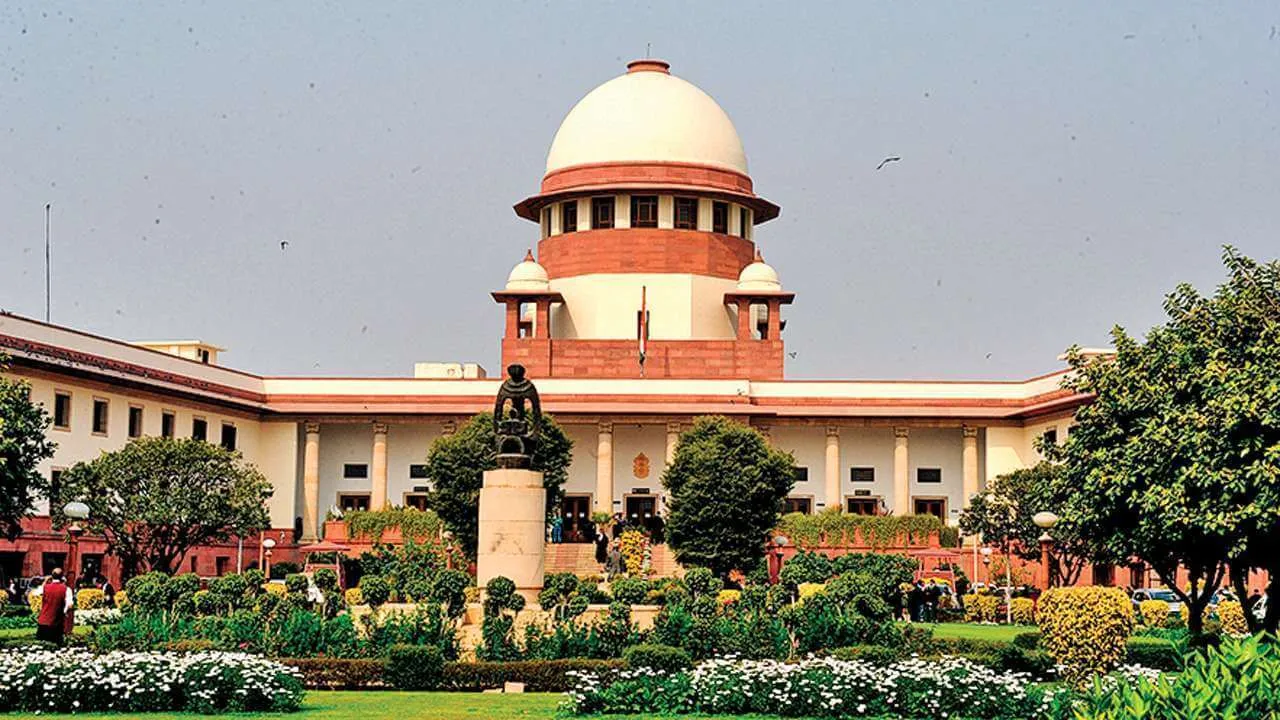
Supreme Court strictly restricts unauthorized sharing of judicial videos
India's top judicial body has officially restricted the extraction and uploading of court proceeding recordings on digital platforms without strict prior approval. A three-judge bench consisting of Chief Justice Surya Kant, Justice Joymalya Bagchi, and Justice V Mohana passed an interim order to halt the unauthorized sharing of judicial livestreams. This directive makes it mandatory to obtain written permission from the Secretary General of the Supreme Court or the Registrar General of the respective High Courts before posting such clips on social media.
Local legal content creators covering the Orissa High Court will now need direct approval from its Registrar General before broadcasting any livestream snippets to their regional audiences. This ensures that legal awareness channels operating from Bhubaneswar or Cuttack align with the national mandate against unauthorized video monetization.
Journalistic Freedom Protected
The ruling specifically clarifies that legitimate news reporting remains completely untouched by these new digital restrictions. Journalists and registered media houses can continue covering sensitive courtroom developments exactly as they did before. This exception ensures essential public access to factual legal information while effectively preventing random social media accounts from distorting serious judicial observations for quick viral views.
Curbing Online Misinformation
Judicial authorities issued this temporary measure in response to a Public Interest Litigation raising serious concerns over out-of-context video circulation. Many unverified social media channels frequently edit lengthy livestream footage to create highly sensationalized narratives for direct financial gain. By enforcing a strict approval mechanism, the judiciary aims to protect the dignity of ongoing trials from malicious digital interpretation. Flouting these livestreaming rules will likely invite severe legal consequences for independent publishers who bypass the official permission protocols established by the highest court. Protecting the integrity of the justice system remains the primary focus of these fresh operational boundaries.
.webp)