

.webp)


Tehran and Muscat partner to oversee vital global energy artery
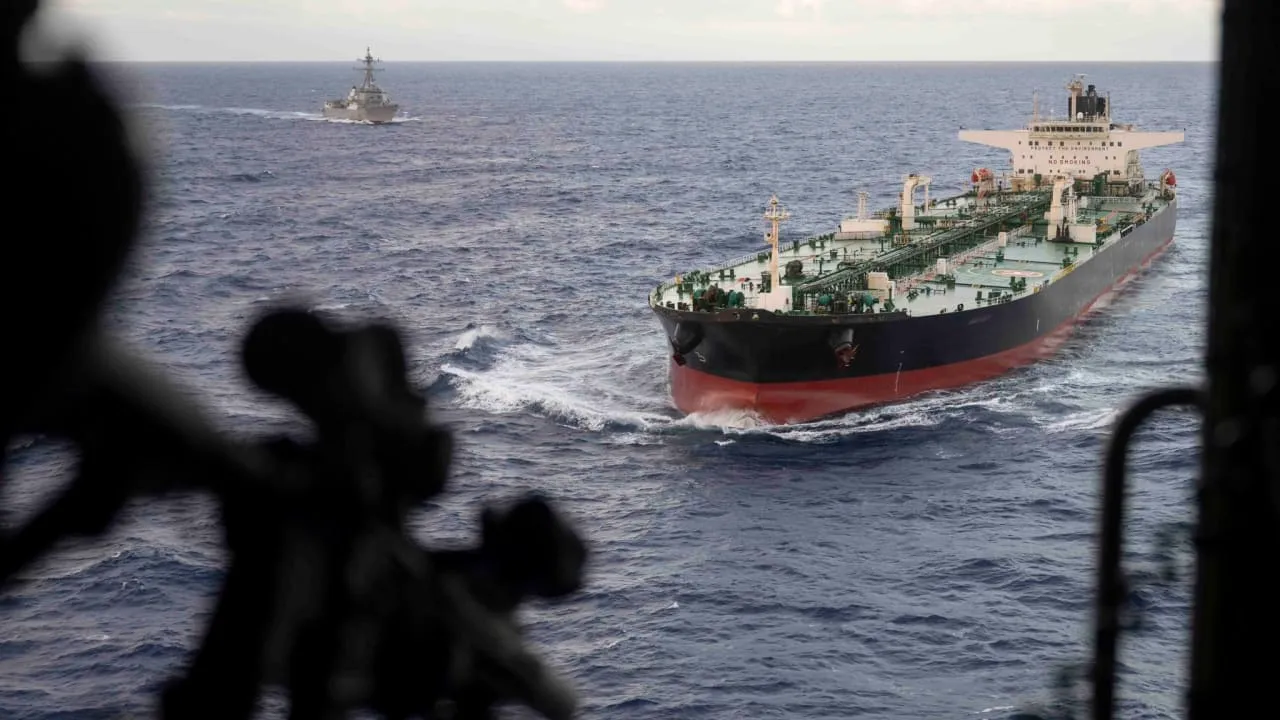
Iran and Oman have officially drafted a bilateral protocol designed to monitor and supervise the movement of vessels through the Strait of Hormuz, the world’s most significant energy chokepoint. This move, confirmed by Iranian Deputy Foreign Minister Kazem Gharibabadi, establishes a framework where both coastal nations will coordinate the transit of tankers and commercial ships. While the waterway is technically an international strait, this new agreement emphasizes that even during peacetime, traffic should occur under the direct oversight of these two neighbors.
Securing the World’s Energy Throat
Muscat has long maintained a delicate diplomatic balance, often serving as a neutral mediator between Tehran and Western powers, a role that mirrors Odisha’s historical maritime significance as a gateway for trade across the Bay of Bengal. This protocol arrives at a moment of extreme friction. Roughly 20% of global oil consumption and 25% of seaborne oil trade pass through this narrow 21-mile stretch. By formalizing a supervision process, Iran and Oman aim to provide "better services" to transiting ships, though critics worry the move could lead to a "selective" blockade against nations deemed hostile by Tehran.
A Shift in Maritime Governance
Reports suggest the Islamic Revolutionary Guard Corps (IRGC) may play a role in a new vetting system. Under this arrangement, ships might be required to share extensive ownership and destination data before being granted "safe corridor" status. This development challenges the traditional interpretation of "transit passage" under international law, which usually allows merchant vessels to move through such straits without interference.
Regional Stability and Economic Stakes
Global energy markets remain on edge as shipping volumes through the region have fluctuated wildly during recent months of regional conflict. For countries like India, which receives a significant portion of its crude through this route, the stability provided by an Oman-Iran partnership could be a double-edged sword. While it may prevent random attacks, it places the keys to the global economy firmly in the hands of regional regulators.
.webp)