


Prosecutors learn advanced strategy to boost sex selection convictions
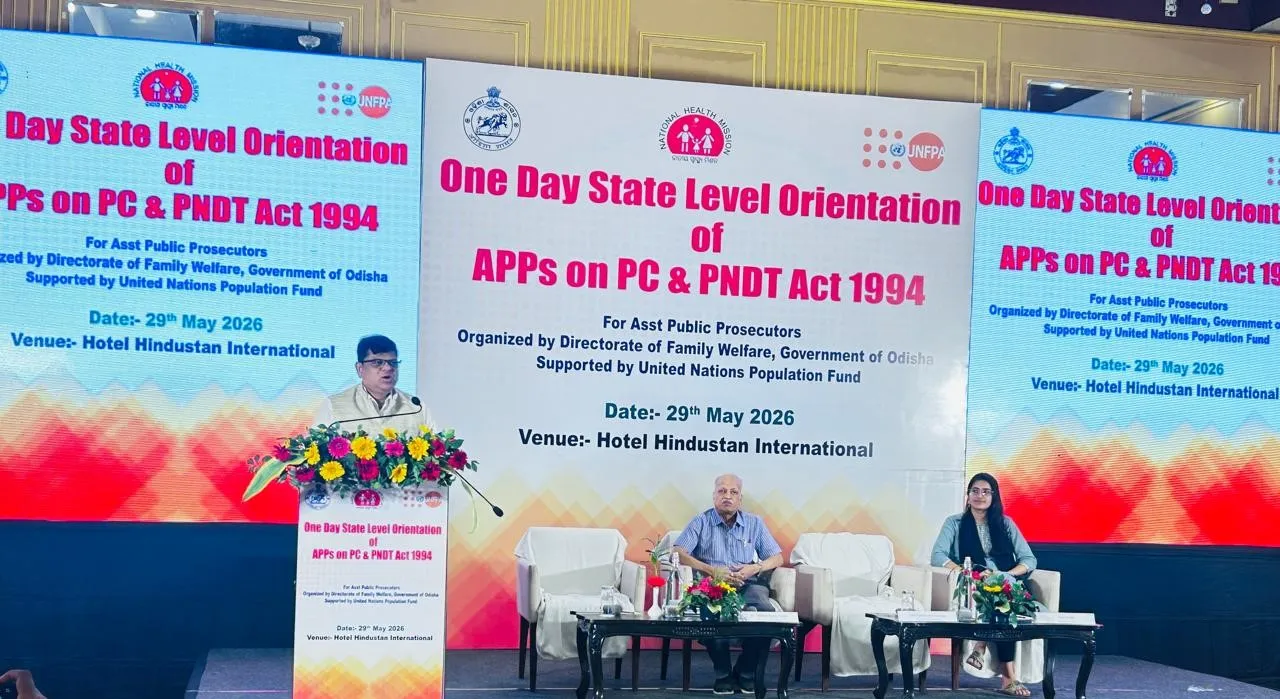
Legal professionals across Odisha gathered to address low conviction rates under laws banning illegal sex determination. Organized by the Directorate of Prosecution, the intensive single-day training session focused on removing investigation bottlenecks that frequently lead to acquittals. Government statistics reveal that while Odisha performs better than the national average in child sex ratios, specific pockets continue to battle illegal ultrasound monitoring, making legal enforcement urgent.
Shri Dipti Ranjan Kanungo, Director of Prosecution in Odisha, led the core sessions by dissecting procedural errors made during initial filings. Prosecutors analysed past failures to understand where evidence falls apart in court. This collaborative approach intends to establish a ironclad standard for gathering digital and forensic proof against offending clinics.
Representatives from the United Nations Population Fund (UNFPA) along with the Director of Family Welfare Mr. Noor Mallik highlighted that legal success depends entirely on systemic teamwork. Dr. Deepak Satpathy and Manoranjan Pradhan conducted the programme. Key speakers including Shri Ajit Kumar Pattnaik and Janmejaya Palei stressed that prosecutors, local police, and medical inspectors must operate as a unified unit.
Preventing female foeticide requires moving beyond basic regulatory checks to secure harsh legal penalties that deter future offenders. District prosecutors shared field insights regarding local challenges, establishing a fresh roadmap for faster, more reliable legal outcomes across the state.