

.webp)

Faith and flavour unite Easter culinary customs
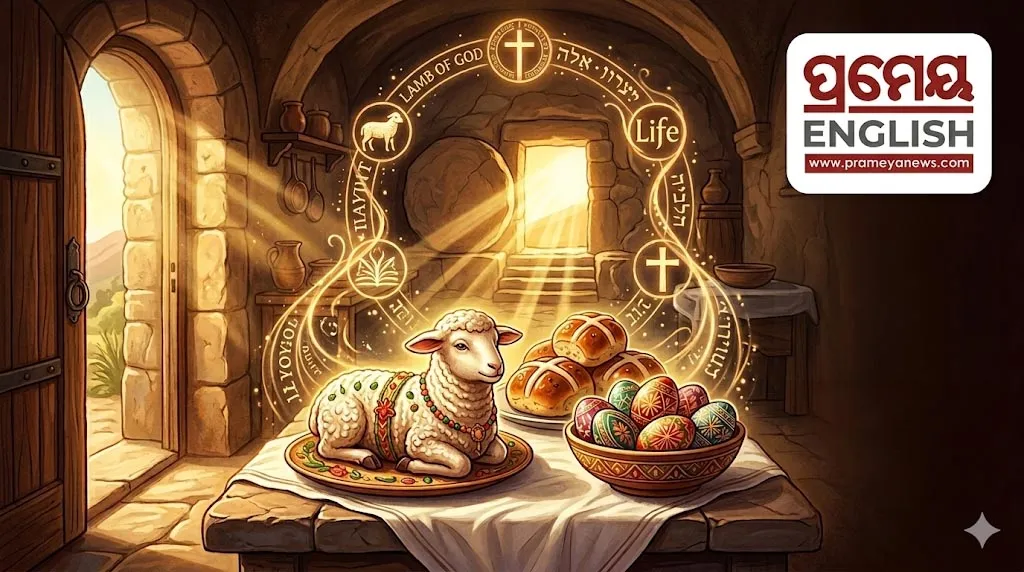
Resurrection celebrations across the globe today center on specific foods that transform the dinner table into a canvas of spiritual storytelling. While many view the chocolate egg as a modern confection, its roots stretch back to early Christian eras when eggs were viewed as symbols of the sealed tomb from which Jesus Christ emerged. These edible traditions serve as a sensory bridge between the solemnity of Holy Week and the joy of the empty grave.
Sacred Symbolism of the Egg
Ancient believers began decorating eggs to represent the "seed of life." During the Lenten season, many faithful strictly abstained from dairy and eggs. Consequently, the surplus of eggs gathered during these forty days was brought to the church to be blessed before being consumed on Easter morning. Red-dyed eggs, particularly common in Orthodox traditions, specifically signify the blood of Christ shed on the cross.
Ancient Roots of the Paschal Lamb
Serving lamb for the main feast connects the Christian holiday to its Jewish predecessor, Passover. In the Old Testament, the blood of a sacrificed lamb protected families during the Exodus from Egypt. Today, Christians view this meat as a representation of Jesus, referred to as the "Lamb of God." In Odisha, while the specific Western culinary dishes vary, the local Christian community often blends these global symbols with regional spices, creating a unique fusion of faith and local heritage.
Sweet Reminders of the Cross
Hot Cross Buns, originally baked to be eaten on Good Friday, remain a staple throughout the weekend. The distinct flour-paste cross atop the spiced dough serves as a direct visual reminder of the crucifixion. Modern celebrations have expanded to include the "Easter Bunny," a German-origin figure linked to fertility and the rapid renewal of life during the spring season.
.webp)