


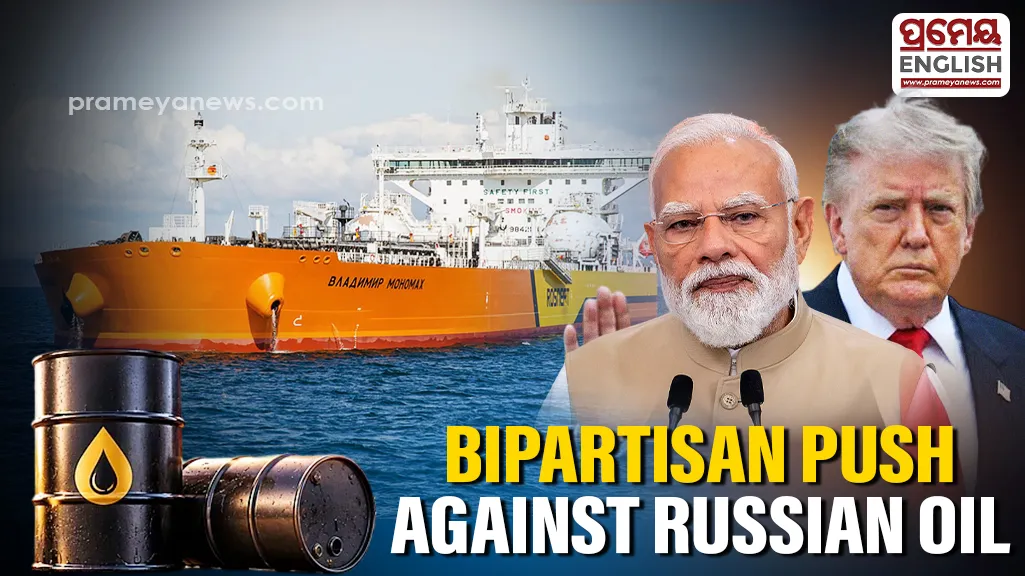
Lawmakers back tough measure targeting nations buying Russian energy
Bipartisan lawmakers in Washington voted 86 to 12 to advance sweeping legislation targeting nations that buy Russian oil and gas. Designed to restrict Moscow's primary revenue streams, the measure grants US President Donald Trump the authority to slap tariffs as high as 100 per cent on goods from major purchasers like India and China.
Members of both parties joined forces to clear the 60-vote threshold, pushing forward a long-delayed package championed by late Senator Lindsey Graham. Senate leaders took action shortly after meeting Ukrainian President Volodymyr Zelensky, who visited Capitol Hill while the war in Eastern Europe enters its fifth year. Global trade dynamics remain delicate, as secondary sanctions on energy buyers routinely disrupt international crude supply lines and affect developing market energy imports.
Beyond punitive import taxes, the draft law targets Russian financial institutions, oligarchs, government officials, and shadow fleet vessels used to bypass energy caps. It gives exemptions to nations sourcing under 15 per cent of their natural gas from Russia, provided they show progress in reducing those volumes. At Trump's request, negotiators added extensions to existing penalties on Iran’s energy and defense sectors.
Supporters insist cutting off Moscow’s energy revenue is crucial to ending military aggression in Ukraine. Critics among Senate Democrats express worry that dynamic tariff powers give the White House broad control, potentially raising consumer prices at home or straining relationships with foreign partners.
While the bill cleared a major procedural hurdle, final enactment faces timing challenges. House members left Washington for summer recess and will not take up the measure until at least September.