
.webp)

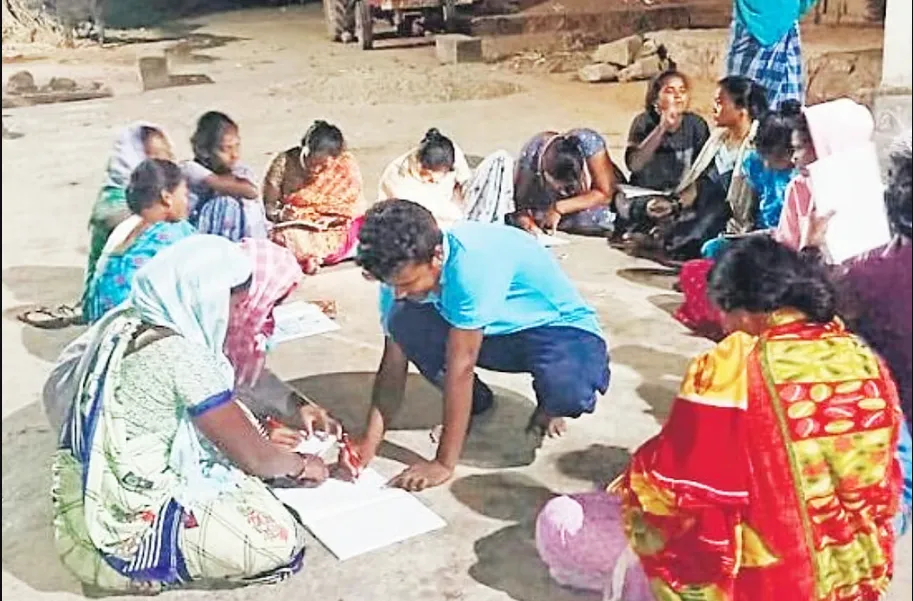
Bhubaneswar, Sept 8: In a major push toward total state literacy, the Government of India's New India Literacy Program—popularly known as ULLAS (Understanding Lifelong Learning for All in Society)—is targeting 2.4 million non-literate individuals in Odisha for the current academic cycle. The nationwide initiative aims to ensure foundational literacy, basic numeracy, and essential life skills for marginalized populations, including tribal communities and migratory laborers.
Also Read: Excise department conducts raids ahead of festive season in Mayurbhanj
Nationally, the ULLAS drive has brought together nearly 39.7 million learners supported by over 4.9 million volunteer educators.
Key highlights & data
Demographic Scope: As per 2011 census data, Odisha records over 9.94 million non-literate citizens, including approximately 3.03 million males and 6.91 million females.
Previous Assessment: During the 2023–24 financial year, the state identified 2.27 million non-literates, though only about 1.045 million ultimately sat for the Foundational Literacy and Numeracy Assessment Test (FLNAT).
Current Action Plan: Following the Project Approval Board (PAB) meeting under the Union Ministry of Education, state authorities have been directed to scale up enrollment to reach the 2.4 million target.
Literacy Week Drives: The campaign coincides with International Literacy Day celebrations, following a week-long awareness drive (ULLAS Week) conducted across districts.
Mobile-based enrollment drive
Implementation relies heavily on digital tracking through the ULLAS mobile application. Volunteer teachers are conducting door-to-door surveys to identify non-literate residents and register them directly on the platform. To sustain engagement ahead of upcoming FLNAT assessments, local education departments are organizing district-level workshops, awareness rallies, and community seminars.
📲Follow our WhatsApp Channel for the latest news, breaking updates, and important headlines. Stay connected with us for more updates!
.webp)