


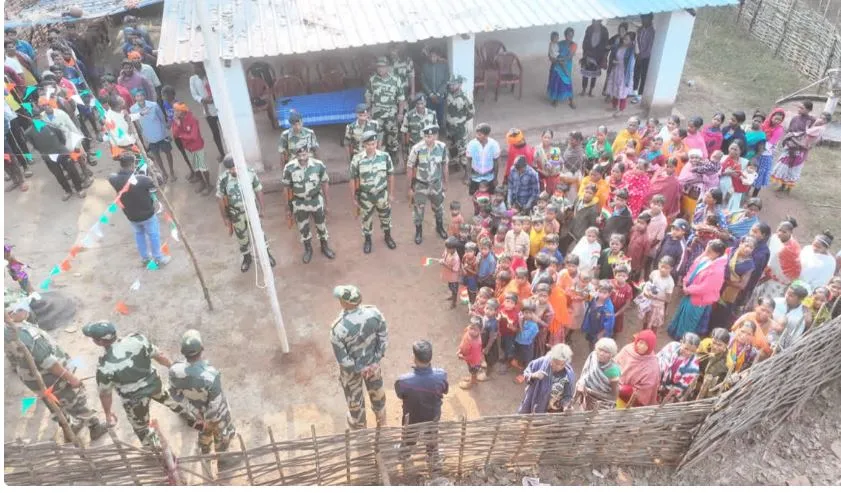
Residents of Korskodo, Hachekoti, Adnar, Boter, Kumnar, Diwalur, Gundekot, Rekapal and Rasmeta celebrated the occasion with pride and enthusiasm, free from the fear that had long prevented them from openly observing national festivals, police officials said.
These remote villages were once among the most severely Naxal-affected areas of the region and had served as hideouts and operational bases for senior Naxal leaders. Years of intimidation and violence had made the celebration of Independence Day and the hoisting of the Tricolour a risky proposition for local residents.
The situation changed after the area was declared free of Naxal influence on March 31, 2026. This Independence Day, therefore, marked the first occasion on which villagers could hoist the national flag openly, with dignity and without fear, officials said.
As the Tricolour fluttered across the nine villages, the celebrations reflected more than just patriotic fervour. For residents who had spent years living under threat and isolation, the moment symbolised relief, freedom and a renewed sense of belonging.
The flag-hoisting also marked a significant transition for the region—from an era dominated by fear and intimidation to one of hope and open participation in the democratic life of the country.