

.webp)


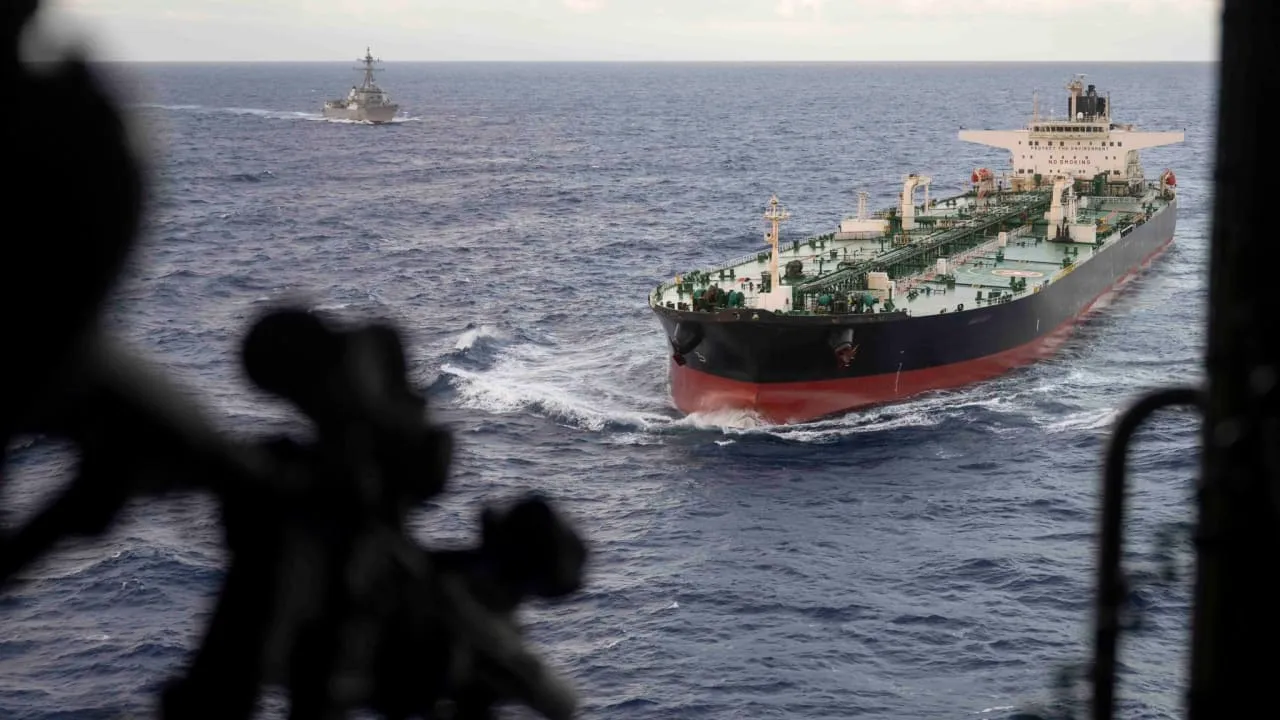
Multiple commercial vessels suffered dangerous strikes in global waterways
Three commercial tankers sustained direct hits from unidentified projectiles and drones in the Strait of Hormuz within a single day. These swift strikes raise severe alarms regarding maritime safety in one of our most critical energy transit corridors.
Historically, over twenty percent of global petroleum consumption passes through this narrow maritime choke point, meaning any disruption here guarantees immediate price shocks across international markets. Authorities confirm an unnamed ship suffered structural damage recently, according to urgent alerts from UK Maritime Trade Operations. Investigators continue analyzing the debris while urging all vessels navigating regional waters to proceed with extreme caution. Maritime security officials note that these represent the first major commercial strikes since recent leadership changes in Tehran.
Qatar Demands Accountability
Officials in Doha firmly accused Iranian forces of targeting their liquefied natural gas carrier, Al Rekayyat, overnight. Drone impacts ignited a serious engine room fire on board. Evacuation protocols began swiftly due to high explosion risks associated with liquefied natural gas cargoes. In frantic radio transmissions, the ship captain reported heavy smoke and requested immediate assistance. Meanwhile, a Saudi crude oil vessel also reported mysterious damage off the Oman coast earlier on Tuesday.
Ceasefire Strains Mount
Ongoing hostilities persist despite a sixty-day interim pause agreed upon by Washington and Tehran last month. This temporary halt intended to foster peace negotiations following the death of Supreme Leader Ayatollah Ali Khamenei earlier this year. Recent indirect talks in Qatar yielded no visible progress, complicating regional stability.
US President Donald Trump issued stark warnings regarding potential military intervention. He told reporters that American forces could quickly dismantle Iranian bridges and energy infrastructure if diplomatic efforts collapse. Iranian representatives firmly rejected these threats, insisting that true negotiations require genuine respect for existing agreements.
.webp)