
.webp)


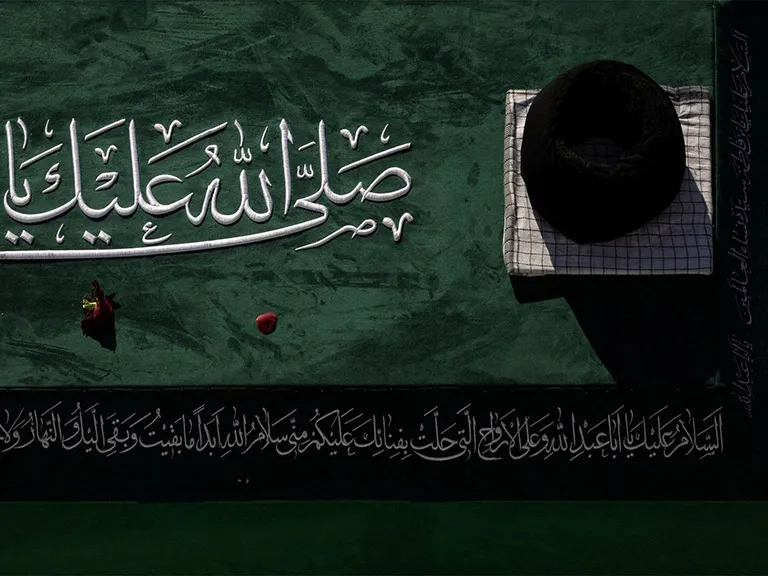
Supporters throng Mashhad during Ali Khamenei's final funeral rites
Mourners packed the streets of Mashhad on Friday to witness former Iranian Supreme Leader Ayatollah Ali Khamenei being laid to rest. He died earlier this year following a targeted US-Israel strike, which severely escalated regional tensions. Crowds grew so overwhelmingly large that officials had to transport his body by helicopter directly to the Imam Reza shrine for the burial. Mashhad holds deep spiritual significance for Shia Muslims, serving as a historic pilgrimage hub and a fitting final resting place for Iran's highest-ranking cleric.
Final Rites inside Holy Shrine
His eldest son, Seyyed Mostafa Khamenei, led the solemn funeral prayers. Religious officials conducted the final burial inside the sacred Dar al-Dhikr prayer hall. Faithful mourners carried his coffin entirely around the revered tomb as part of the traditional ritual. State television broadcast dramatic footage showing passionate citizens holding anti-Trump banners along the designated convoy route. Iranians continue to hold the American President strictly responsible for his assassination. Meanwhile, international news networks reported that his successor, newly appointed Supreme Leader Mojtaba Khamenei, opted not to attend these public memorial ceremonies.
Diplomatic Tensions Escalate Again
Khamenei's death in late February originally sparked widespread armed conflict across West Asia. Seeking stability, Washington and Tehran recently agreed to a formal 14-point memorandum of understanding to pause regional hostilities. This diplomatic framework created a crucial 60-day window for technical dialogue. Officials planned to discuss the strategic Strait of Hormuz and Iran's controversial nuclear ambitions.
However, Donald Trump unexpectedly discarded this fragile peace effort during the NATO summit in Turkey. He informed journalists that the ceasefire agreement has effectively concluded. Trump criticized Iranian leadership with harsh rhetoric, declaring that further diplomatic engagement remains a complete waste of time. This abrupt policy reversal threatens to provoke fresh geopolitical crises.
.webp)