


Ceasefire Offer Dismissed
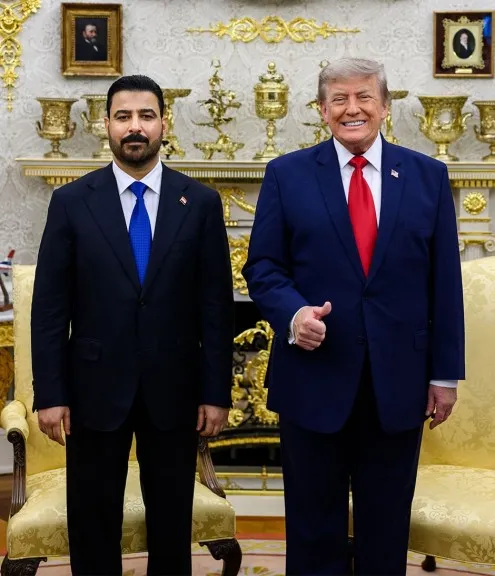
Iranian leadership formally refused a US ceasefire proposal delivered by Iraqi Prime Minister Zaidi during an important diplomatic visit to Tehran on Thursday. Officials confirmed Zaidi presented the temporary truce offer directly from President Donald Trump following their recent White House discussions. However, authorities in Tehran rejected the terms because the offer failed to resolve fundamental disputes regarding absolute control over the strategic Strait of Hormuz.
Deepening Regional Crisis
This sudden diplomatic breakdown occurs precisely as military engagements between Washington and Tehran intensify rapidly across the region. Following the collapse of a previous interim truce in early July 2026, both nations resumed military strikes that disrupted global energy shipping corridors. These international market disruptions have widespread economic impacts, threatening manufacturing sectors in growing economic hubs like Odisha, India, which rely heavily on stable global petroleum prices.
Diplomatic Frustrations Grow
Iranian Foreign Minister Abbas Araghchi publicly criticized the American negotiation framework, labeling Washington's diplomatic style as excessively aggressive and inherently irrational. Araghchi acknowledged that while the Iraqi premier shared personal perceptions from his recent American visit, the underlying friction remains completely unresolved. He strongly maintained that Iranian authorities will continue confronting what they view as hegemonic interference by the United States government.
Escalating War Dangers
Diplomats worry this immediate rejection pushes the volatile Middle East closer to an uncontainable regional war. American forces continuously target Iranian military installations, civilian railways, and critical seaports. In direct retaliation, Iranian military units regularly launch drone and ballistic missile strikes against American outposts across West Asia. Sources inside Tehran warn that armed forces remain prepared for maximum escalation if Trump executes further strikes on vital Iranian infrastructure. Military strategists indicate Iran might expand operations significantly by striking Tel Aviv directly and coordinating with Houthi allies to close the Bab el Mandeb Strait.