Celebrate vibrant Indian classical dance and prestigious cultural awards
Bhubaneswar is gearing up for a spectacular cultural extravaganza this March. Dance enthusiasts and artists from across the country will gather to celebrate the thirty-second Guru Pankaj Utsav. This vibrant festival is seamlessly combined with the highly anticipated presentation ceremony for some of the state's top cultural honors.
Honoring A Legendary MaestroOrganized meticulously by the Guru Pankaj Charan Odissi Research Foundation, this grand event marks the 107th birth anniversary of Adi Guru Pankaj Charan Das. Supported heavily by the Government of Odisha, the Department of Odia Language, Literature and Culture, and the GKCM Odissi Research Centre, the gathering promises three continuous evenings of mesmerizing performances. Cultural programs are scheduled to begin at the iconic Rabindra Mandap at 6:30 PM daily from March 17 to March 19.
Spotlight On Remarkable ArtistsDay one kicks off with special recognitions for lifelong contributions to Odissi music and rhythm. Eminent personalities will be recognised for their dedication. Guru Sangeeta Panda will receive the Gauni Samprada title, while Guru Dr. Ratikanta Mohapatra will accept the Madeli Samman for his work with the Odissi Mardal. Furthermore, Guru Brajabandhu Ransingh and Guru Prativa Panda will also be honoured for their distinctive contributions to classical arts. The inaugural night will subsequently feature a diverse lineup of young talents showcasing traditional dance styles, including a special Bharatnatyam performance by Kolkata-based Monojeet Saha.
Wednesday evening will bring even more classical brilliance to the main stage. Audiences can look forward to a captivating Kuchipudi performance by T. Reddy Lakshmi, who is traveling from New Delhi, alongside several talented local Odissi dancers.
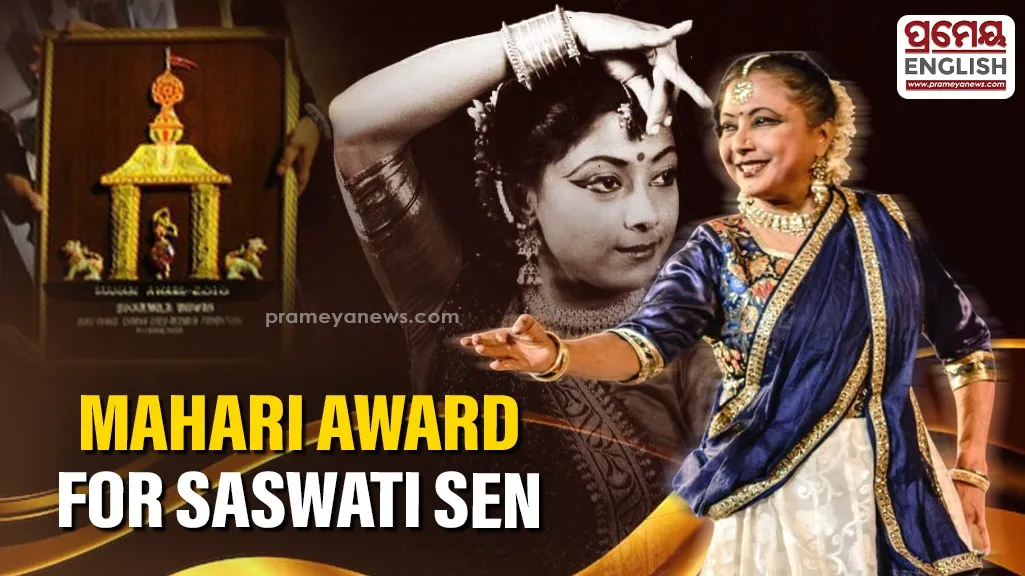
Grand Finale And Prestigious RecognitionsThursday serves as the festival's absolute crowning moment. Saswati Sen, a celebrated Kathak exponent and devoted disciple of the legendary Pandit Birju Maharaj, will be officially presented with the primary award of the year. Known worldwide for her breathtaking mastery of the Lucknow Gharana and incredibly compelling stage presence, she truly represents the pinnacle of Indian classical dance. Her performance will undoubtedly be a massive highlight, closing out a beautiful three-day tribute to India's rich heritage. Various esteemed guests, including local political figures Smt. Aparajita Sarangi and corporate leaders from NALCO and Vedanta, will attend to support this vibrant showcase.