

.webp)



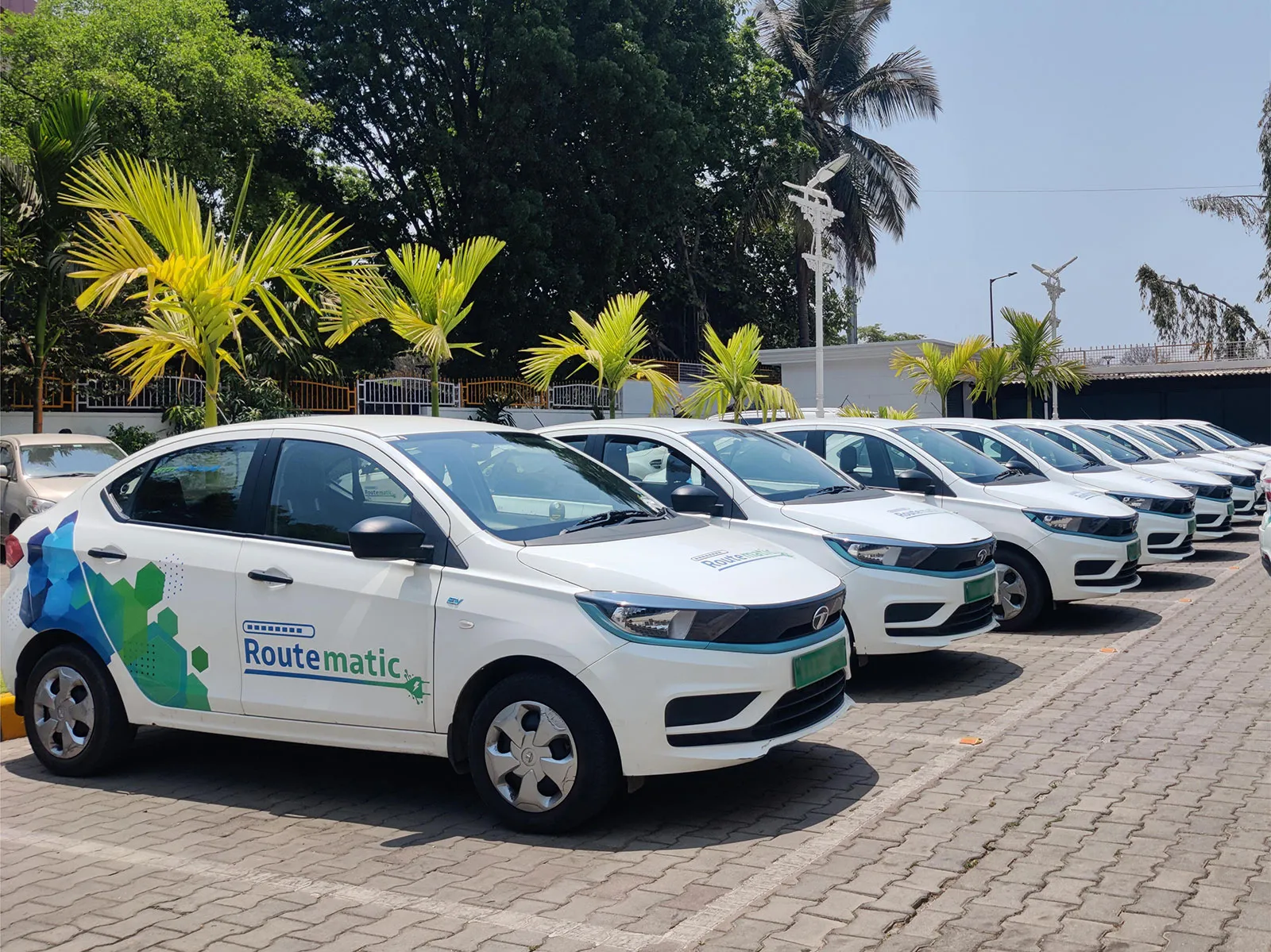
New Delhi, Nov 24: Several automobile majors, including Tata Motors, Hyundai, and Audi, have announced price hikes across their vehicle portfolios amid rising input costs, with automakers passing on a portion of the increased cost burden to customers.
Tata Motors Passenger Vehicles Ltd (TMPV) announced a price revision across its entire portfolio, covering both internal combustion engine (ICE) and electric vehicles (EVs).
The revision will result in an average price increase of 0.5 per cent, effective December 1, 2026. According to the company, the decision has been taken to partially offset the impact of input costs, which continue to remain elevated.
“While TMPV continues to absorb a significant portion of these increases, a part of the impact is being passed on to customers through this increase. The extent of price revision will vary across models and variants, ensuring that every vehicle continues to deliver meaningful value to customers,” the company said in an exchange filing.
Similarly, Hyundai Motor India announced a price increase of up to Rs 8,000 across select models and trims of its vehicle lineup, effective December 1, 2026.
The company attributed the decision primarily to a steep increase in input costs, adding that the extent of the price revision would vary depending on the model and trim.
“While the Company has consistently absorbed a substantial part of the rising costs through internal efficiencies and cost optimization measures, it has become necessary to pass on a limited portion of the increased costs to customers,” the company noted.
Likewise, German luxury carmaker Audi announced an increase of up to 2 per cent in the ex-showroom prices of its models, effective January 1, 2027, citing rising input costs.
“The price revision will be effective from 1st January 2027,” the company said in a filing.
Meanwhile, Maruti Suzuki has increased prices of select models, effective November 22, 2026, with an estimated volume-weighted average price increase of around 0.31 per cent.
“Despite sustained cost – reduction efforts, prevailing cost pressures necessitate passing on a portion of the increase to the market, while minimizing the impact on customers,” the company said. (ANI)
.webp)