

.webp)


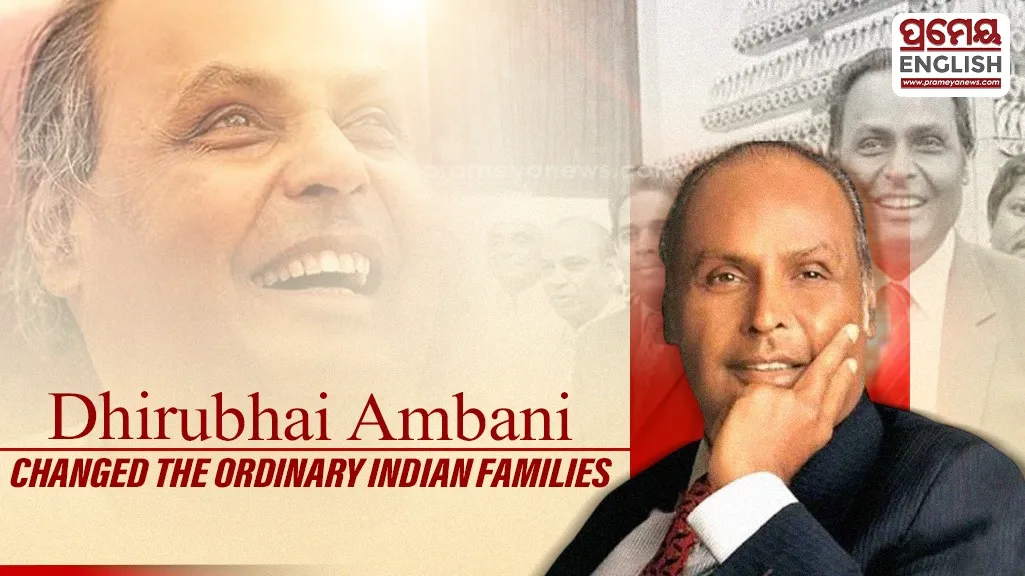
Dhirubhai Ambani revolutionised Indian stock market ownership for middle-class families
Dhirubhai Ambani fundamentally altered how ordinary Indian families engaged with equity markets, shifting their focus from simple savings to corporate ownership. Before 1977, wealth creation through company shares remained confined to elite traders and established business dynasties. Middle-class households relied entirely on gold, land, and secure bank deposits for their financial future. Dhirubhai shattered this restrictive barrier by launching the initial public offering of Reliance Textile Industries. His vision successfully integrated salaried clerks, schoolteachers, and small traders into the growth story of a major industrial enterprise. The issue was oversubscribed seven times, proving that everyday citizens were eager to take calculated financial risks when presented with a trustworthy opportunity.
Building trust across Indian households
Reliance was not just another company; it functioned as India's original startup long before modern venture capital existed. Dhirubhai recognised a crucial market gap. He questioned why millions of hardworking families should only consume products manufactured by large corporations instead of sharing in their financial success. This realization led him to democratize stock ownership, establishing a widespread equity culture across the nation. Early shareholders in Reliance experienced significant financial gains through consistent dividends and bonus issues. More importantly, this process built an enduring bond between the corporation and its retail investors. People felt a genuine sense of partnership in the industrial expansion of their country.
Learning commerce beyond classroom walls
Long before launching his textile mill at Naroda in 1966, Dhirubhai learned the mechanics of global trade through firsthand experience. Born in Chorwad along the Saurashtra coast in 1932, he left for Aden in Yemen as a teenager. Working initially as a clerk for A. Besse & Co., he soon managed an oil-filling station connected to their petroleum operations. Observing international merchants and cargo ships taught him that true business acumen relies on identifying unseen opportunities rather than inheriting wealth. He returned to Mumbai and built a trading enterprise that evolved from spices to yarn, eventually creating the household brand Vimal, a name recognized across the nation.
Inspiring future generations in Gujarat
Gujarat possesses a deep cultural understanding of commerce, enterprise, and calculated risk-taking. Dhirubhai validated this regional ethos by demonstrating that a first-generation founder could successfully challenge dominant industrial giants like Tata and Birla. His rise from modest coastal beginnings resonated powerfully across cities and towns where financial discipline runs deep. Residents recognized him as one of their own, cementing his legacy as the patriarch of industrial Gujarat. By extending an open invitation to participate in national economic growth, he empowered millions to transition from mere observers to active financial partners. That initial call to invest has now shaped three generations of wealth creators, fundamentally restructuring India's economic landscape and redefining what middle-class households can achieve.
.webp)