


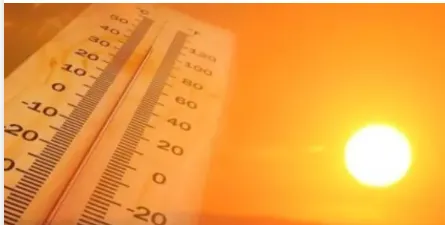
Bhubaneswar, March 17: The temperature in the summer season has started rising abnormally due to unusual rainfall followed by prevailing erratic climatic conditions.
Further, due to large building surfaces more road surfaces and infrastructure absorbing solar heat energy, urban areas are experiencing higher temperatures in the summer.
In view of the situation, Housing and Urban Development (H&UD) department has issued a detailed standard operating procedure (SOP) with strict instructions to adhere to it and take necessary steps by all the urban local bodies (ULBs).
ULBs are required to ensure adequate drinking water supply to all the urban areas. For this purpose, water supply pipelines should be kept in proper working condition and any complaint thereof needs to be attended to within 24 hours, said a statement released from the department.
Water tankers should be deployed to different scarcity pockets to provide drinking water for emergency measures to ensure drinking water supply. An additional number of tankers, if required, may be arranged on a hiring basis.
All the tube wells/ hand pumps must be kept in operational condition and spare parts should be kept ready for repairing of hand pumps/tube wells.
Control rooms are to be opened as usual in the PHEO/ WATCO, city-level offices and managed by responsible officials to attend to the complaints received on water scarcity. The heat wave warnings issued by IMD should be tracked on a regular basis and if necessary, the control room of IMD/State EOC may be contacted for such information.
The ULBs should start opening more number of water kiosks-drinking water distribution centres at strategic places i.e. on roadsides, crossroads, public offices, bus stands, railway stations, marketplaces etc. through Mission Shakti-SHGs/ Federations/ NGOs. Water provided in such water kiosks must be of potable quality and proper sanitation be maintained including the use of long-handle dispensers and change of water daily.
Agencies doing such work only for self-publicity and discontinuing the same after initial days should be avoided and dealt with strongly.
Strict enforcement of burning of municipal solid waste, and garden/ tree residuals be ensured.
Adequate awareness may be created to keep one pot of water in front of households for stray birds and animals which is to be changed on alternate days for better hygienic purposes.
C & D waste from the roadside needs to be cleared as per the rule. To check and arrest the flying dust, the following steps should be taken:
Construction agencies and households must be cautioned to cover their construction area to avoid spillage or earth/dust and sprinkle water over the uncovered portion while executing the works. They should ensure the safe disposal of spillage and demolition materials immediately otherwise they should be penalized.
Vehicles transporting construction materials like sand, bricks, cement and garbage must be fully covered with a tarpaulin sheet and their speed is to be limited.
The earthen layer beside the road should be maintained at a lower level than to metal level so that same will not come over to the road again by rainwater or vehicular movements.
Residual fly ash generated from burnt coal/ briquettes by the roadside hotels and eateries shops are being piled up on the road which is causing dust pollution and temperature rise. The use of coal or coal briquettes is to be banned in all urban areas.
All the water bodies in and around the urban areas should be rejuvenated, restored and repaired and these should be made free from pollution to make them usable and increase access to the public.
All the environmental Acts/Rules, and NGT guidelines concerning the improvement of urban area environment must be followed strictly and authorities concerned like the police, forest, OPCB etc. handle their respective portion of the job.