
.webp)


Qatari gas revenues collapse completely during ongoing regional conflict
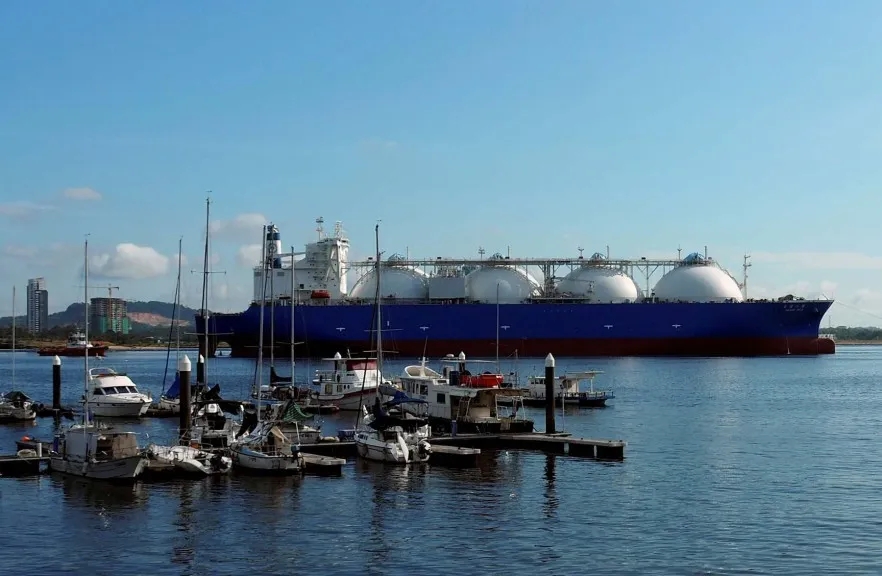
Six months of intense combat between the United States and Iran have turned Qatar into an unexpected economic casualty. Liquefied natural gas shipments from the Gulf nation plummeted by 96 percent over this half-year period. This drastic decline erased $24 billion in potential revenue, equating to roughly five months of national income based on 2025 financial forecasts. Regional volatility escalated dramatically after military actions severely disrupted major international trade routes. While neighboring Gulf exporters found covert ways to transport crude oil through the heavily monitored Strait of Hormuz, Qatari gas operations remain paralyzed. Shipping intelligence from ICIS shows that merely 18 Qatari cargoes successfully reached international buyers, a staggering collapse from the 509 shipments recorded during the exact same timeframe last year. Two local tankers suffered direct attacks in the crossfire, prompting operators to freeze further maritime movement. Prior to this crisis, Doha supplied approximately one-fifth of daily global LNG requirements.
Winter Risks for European Consumers
American energy producers accelerated their export output recently to offset these missing volumes in the global market. However, European nations still face dangerous vulnerabilities approaching the colder months. Continental gas storage facilities currently sit at a historic low, hovering between 55 and 57 percent full during a season when they traditionally build stockpiles. These depleted reserves leave European households and industries highly exposed to extreme price spikes if temperatures drop significantly this winter. State-owned operators have yet to offer official statements, but the fallout clearly demonstrates how localized Middle Eastern conflicts instantly destabilize worldwide energy networks.
.webp)