
.webp)


Economic self-reliance becomes vital during ongoing West Asia instability
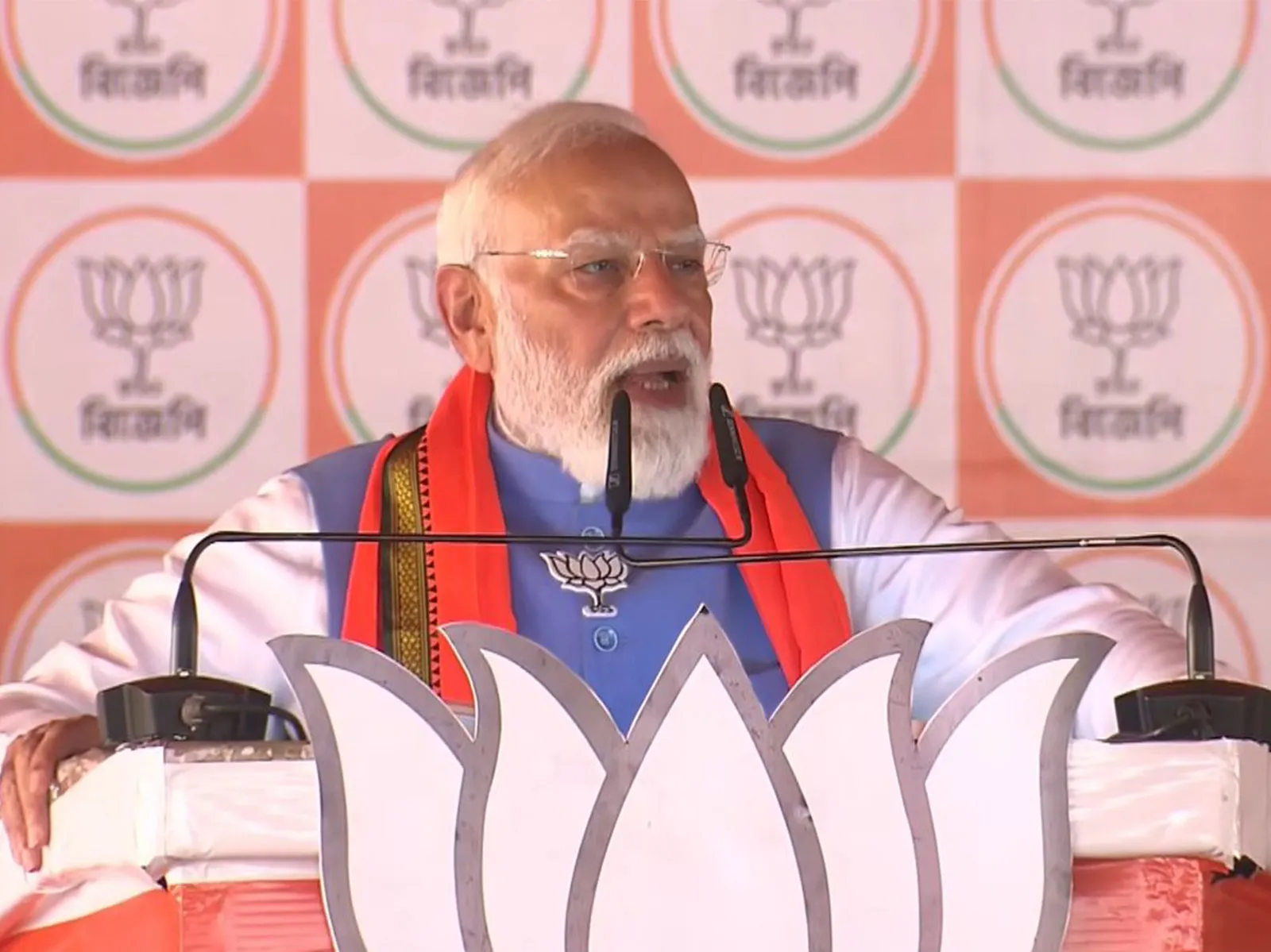
Prime Minister Narendra Modi recently called on citizens to revive pandemic-era habits, including work-from-home arrangements and virtual meetings, to protect the national economy from global disruptions. Speaking at a public gathering in Hyderabad, he emphasised that reducing dependence on imported petroleum and conserving foreign exchange is essential as conflict persists in West Asia. He suggested that such collective action would strengthen the financial resilience of the country during times of international tension.
Smart Mobility and Energy Savings
Citizens should prioritise public transport, specifically metros and railways, to lower fuel consumption. The Prime Minister also advised families to postpone non-essential foreign vacations and gold purchases for at least one year. By choosing local goods over imported items, the public can help the nation navigate current geopolitical volatility. He even suggested a ten percent reduction in cooking oil usage, framing it as both a patriotic act and a health benefit. This push for self-reliance reflects a long-standing policy that gained significant momentum during the 2020 global health crisis to reduce supply chain vulnerabilities. Historically, India has often turned toward domestic conservation during global oil shocks to maintain fiscal stability.
Sustainable Agriculture and Local Production
Beyond economic measures, the Prime Minister highlighted the importance of natural farming to decrease the need for chemical fertilizers. He urged people to audit their daily household items to identify foreign products, advocating for a transition toward domestic alternatives. This strategy aims to ensure that the country remains insulated from price spikes and supply shortages caused by overseas wars.
Turning to the political landscape, he noted recent electoral shifts, mentioning the swearing-in of a BJP Chief Minister in West Bengal as a sign of changing public sentiment. He argued that the current political models in Telangana are failing, suggesting that the state is ready for a governance shift. He concluded by linking local development directly to national economic discipline, urging every household to contribute to the country's fiscal strength through mindful consumption and reduced waste.
.webp)