


Hundreds perish after bombs hit an Afghan medical facility
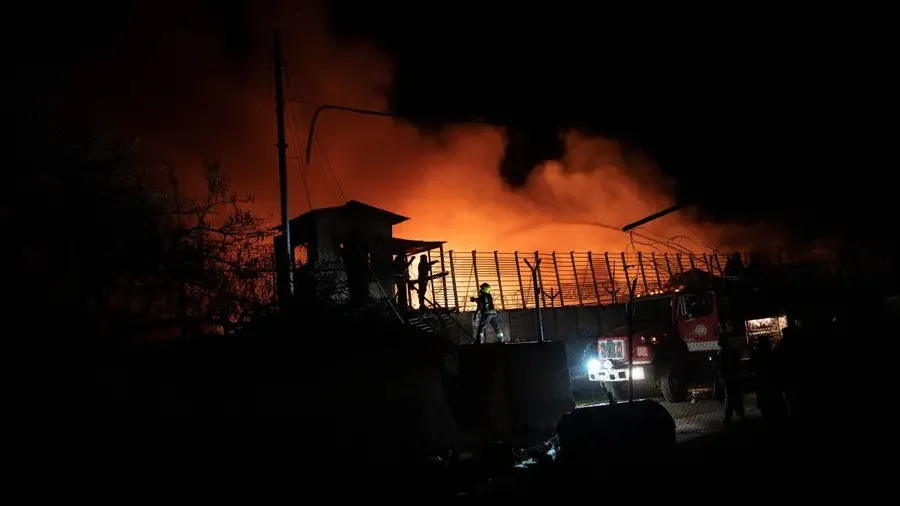
Devastating news has emerged from Afghanistan following a massive bombardment by Pakistan's military forces. Hamdullah Fitrat, deputy spokesman for the Islamic Emirate, confirmed that a deadly Kabul airstrike targeted a prominent drug rehabilitation centre. Striking the 2,000-bed Omid Addiction Treatment Hospital around 9:00 PM last night, this brutal attack claimed the lives of at least 400 individuals and left roughly 250 others severely injured. Rescue teams are currently battling raging fires while desperately trying to recover bodies from the ruined medical facility.
Condemnation swiftly followed this staggering loss of life. Richard Bennett, the United Nations Special Rapporteur for Human Rights in Afghanistan, expressed deep dismay over these Afghanistan civilian casualties. He strongly urged both nations to de-escalate tensions and respect international laws protecting public hospitals. Echoing this sentiment, the International Human Rights Foundation demanded an independent UN human rights investigation to hold perpetrators accountable. Targeting unarmed civilians seeking help violates basic humanitarian principles, and the organization insists the global community must not remain silent.
Prominent figures outside of politics are also voicing their heartbreak over the tragedy. Cricketer Rashid Khan shared his profound sorrow on social media, labelling the destruction of medical infrastructure a blatant war crime. He pleaded for global agencies to intervene, noting that such violence during the holy month of Ramadan only breeds further division and hatred. Khan reaffirmed his steadfast solidarity with the Afghan people during this incredibly dark period.
Tensions between the neighboring countries are now at a dangerous boiling point. Zabihullah Mujahid, outlining the Taliban government response, bluntly warned that diplomatic patience with Islamabad has completely run out. Promising retaliation for the Pakistan military attack, authorities highlighted a troubling history of civilian areas being caught in the crossfire across various provinces. For readers following Prameya News global updates, this rapidly escalating conflict threatens to destabilize the region entirely.
With Agency Inputs