

.webp)


New Delhi shifts posture by mating atomic warheads permanently
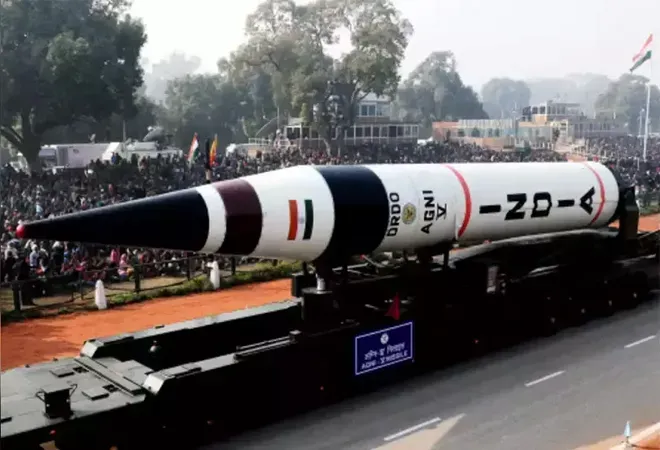
Security frameworks in South Asia have entered a fresh phase as New Delhi began keeping 12 nuclear warheads mounted directly onto ballistic missiles during peacetime. This disclosure stems from the highly regarded SIPRI Yearbook 2026, marking a historic deviation from India’s traditional military protocol. Previously, the nation maintained a strict separation between its atomic cores and delivery vehicles during non-conflict periods to prevent accidental escalation.
Experts track this operational change to a broader push for heightened readiness across the subcontinent. The change comes roughly twelve months after Operation Sindoor, a brief but intense 88-hour military standoff between India and Pakistan that concluded via a diplomatic intervention managed by Washington. Security analysts believe this friction altered the traditional thinking behind nuclear deterrence, driving defense planners to favor instant retaliatory options over delayed assembly. Local strategic analysts notice that India now holds an edge in sheer volume over its western neighbor, though it trails its northern rival. Data reveals the Indian military stockpile has reached 190 nuclear warheads, trending up from 180 over the past year. By comparison, Pakistan maintains an estimated 170 warheads, while China controls a far larger arsenal of approximately 620 units.
New production efforts increasingly target the creation of weapon systems with long-range performance profiles. Military developers want these newer platforms to comfortably monitor areas deep within Chinese territory while preserving conventional defense measures along the western borders. Peacetime pairing of missiles and live warheads reflects a global pattern, as all nine major nuclear powers are currently reinforcing their operational infrastructure.

SIPRI Yearbook 2026
.webp)