


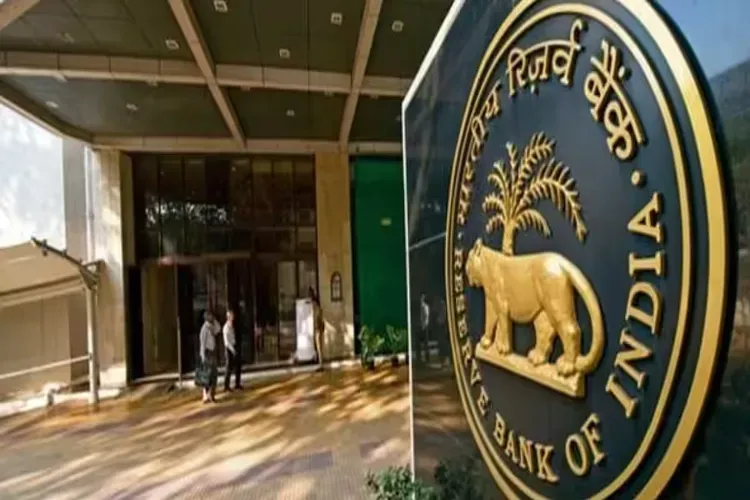
New Delhi [India], March: Reserve Bank of India (RBI) had constituted a Working Group on Digital Lending, including lending through Online Platforms and Mobile Apps.
Based on its recommendations, RBI has issued regulatory guidelines on digital lending, which aim at firming up the regulatory framework for digital lending, including loans through mobile apps, while enhancing customer protection and making the digital lending ecosystem safe and sound.
All the Regulated Entities (REs) are required to comply with the said guidelines on digital lending. Compliance with these guidelines is examined on a sample basis during supervisory assessment, and any non-compliance observed is taken up for rectification apart from initiating supervisory/ enforcement action, as deemed fit, according to an official statement from the Ministry of Finance.
Ministry of Electronics and Information Technology (MeitY) issues directions for blocking of information, including fraudulent loan apps developed under Section 69A of the Information Technology (IT) Act, 2000, after following the due process as provided in the Information Technology (Procedure and Safeguards for Blocking for Access of Information by Public) Rules, 2009.
Further, the Government and RBI have been taking up various initiatives from time to time to protect citizens from exploitation by unauthorised mobile loan apps, according to the MoF statement.
RBI has operationalised a directory 'Digital Lending Apps (DLAs)' on its website with effect from 01.07.2025, consisting of all DLAs deployed by REs of RBI. The directory aims to aid the customers in verifying the claim of a Digital Lending Apps (DLA's) association with a RE.
Proactively engaging with the major internet intermediaries and messaging platforms to review the operations of unauthorised loan apps. Further, to disrupt the ecosystem of fraudulent digital loan apps, internet intermediaries have been instructed to institute stringent, technology-driven vetting and real-time enforcement mechanisms to detect and prevent malicious advertisement of illegal loan apps originating from offshore entities.
Indian Cyber Crime Coordination Centre (I4C), Ministry of Home Affairs (MHA) has been proactively analysing the digital lending apps. In order to facilitate the citizens to report cyber incidents, including illegal loan apps, MHA has launched a National Cybercrime Reporting Portal (www.cybercrime.gov.in) as well as a National Cybercrime Helpline number "1930".
The banks, through the public-facing platform 'SACHET' portal and the inter-regulatory State Level Coordination Committee (SLCC), facilitate citizens to lodge any complaints against a specific entity related to the deposit/ collection of money illegally.
Delhi, March 18:RBI and banks have been taking up awareness campaigns through short SMS, radio campaigns, publicity on the prevention of 'cyber-crime', including illegal loan apps.
Further, RBI has been conducting electronic-banking awareness and training (e-BAAT) programmes, which focus on awareness about fraud and risk mitigation.
Police' and 'Public Order' are State subjects as per the Seventh Schedule of the Constitution of India. The States/UTs are primarily responsible for the prevention, detection, investigation and prosecution of crimes, including illegal mobile applications, through their Law Enforcement Agencies (LEAs). The Central Government supplements the initiatives of the States/UTs through advisories and financial assistance under various schemes for capacity building of LEAs.
This information was given by the Minister of State in the Ministry of Finance, Pankaj Chaudhary, in the Rajya Sabha.