


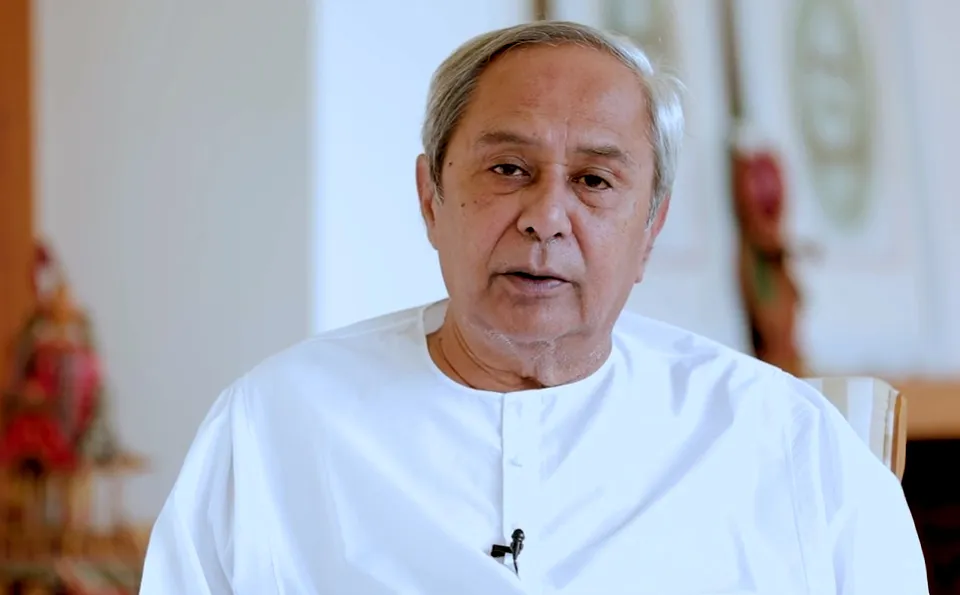
Bhubaneswar, April 16: Leader of Opposition and BJD president Naveen Patnaik has issued a strong appeal to all Members of Parliament (MPs) from Odisha, expressing serious concerns over the proposed 131st Constitutional Amendment Bill.
In a letter addressed to MPs across party lines, Patnaik warned that the Bill could significantly impact Odisha’s political representation and economic interests.
Calling for unity beyond political affiliations, Patnaik urged MPs to raise their voices both inside and outside Parliament.
He emphasized that the issue transcends party politics and strikes at the core of Odisha’s dignity, representation, and long-term development. According to him, safeguarding the state’s interests requires collective action while continuing to support reforms that are genuinely equitable.
One of the primary concerns highlighted is the potential reduction in Odisha’s share in the Lok Sabha—from 3.9% to 3.4%. While this may appear numerically small, Patnaik stressed that a 0.5% decline is substantial given the state’s already limited representation.
Such a reduction, he argued, would weaken Odisha’s ability to advocate effectively for critical issues such as disaster management, tribal welfare, and regional development. He framed the matter as not just political, but fundamental to preserving the federal spirit of the Constitution.
At the same time, Patnaik reaffirmed his party’s commitment to women’s empowerment.
He reiterated that the Biju Janata Dal (BJD) has consistently supported increased representation of women in legislative bodies. The party had backed the 106th Constitutional Amendment Bill in 2023, known as the Nari Shakti Vandan Adhiniyam, which aimed to reserve seats for women in Parliament and State Assemblies. Patnaik also referenced the legacy of his father, Biju Patnaik, who pioneered women’s reservation in Panchayati Raj Institutions, a reform later strengthened under his leadership.
However, Patnaik argued that the 131st Amendment Bill raises deeper concerns due to its proposed linkage between women’s reservation and the delimitation process, expected after the next Census.
He pointed out that states like Odisha, which have made notable progress in population control and human development, may be unfairly penalized. A disproportionate increase in parliamentary seats in more populous states could alter the balance of representation and influence.
Such a shift, he warned, could affect the allocation of central resources, policy focus, and infrastructure investments, potentially disadvantaging Odisha. Despite being a significant contributor to national revenue, the state has often faced what Patnaik described as discriminatory treatment, including the denial of special status.
He underscored that Odisha’s development challenges are unique and require sustained attention at the national level.
Patnaik further stressed that parliamentary representation is deeply tied to the identity and pride of Odisha’s people. Any reduction in their voice at the national level could lead to a sense of marginalization and erosion of their cultural and political presence.
He warned that the Bill could jeopardize the political future of Odisha’s people. He reminded MPs that they were elected to protect the state’s economic and political interests and called on them to act decisively.
The Biju Janata Dal, he added, is prepared to take the issue directly to the people if the state’s concerns are overlooked in the face of majority opinion.