


Strict immigration changes threaten long-term plans for Indian scholars
President Donald Trump has finalized stringent regulations that terminate the traditional "Duration of Status" framework, restricting international scholars to a maximum four-year residency. Foreign learners enjoyed flexible stays as long as they maintained active enrollment, which fostered robust academic exchange and built strong Indo-US educational ties for over forty years. Now, most individuals holding F-1 and J-1 credentials must apply for formal government extensions if their academic tracks exceed this newly mandated timeframe.
Major Changes Impacting Academics
Officials at the US Department of Homeland Security designed these strict limitations to eliminate perceived regulatory loopholes and enhance national security oversight. Beyond capping the overall residency length, this mandate severely restricts daily academic freedom. Undergraduates and postgraduates can no longer seamlessly transfer between universities or alter their chosen degree majors without securing prior federal authorization. Furthermore, the crucial grace period granted to graduates for preparing departure, securing Optional Practical Training (OPT) employment, or adjusting their legal residency status shrinks dramatically from 60 days down to just 30 days.
Challenges for Indian Scholars
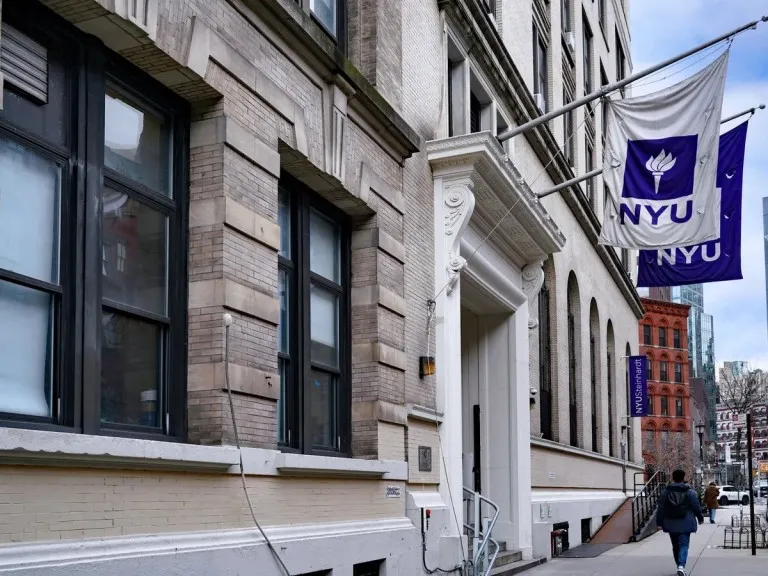
Indians consistently form one of the largest and most prominent demographics pursuing advanced degrees across American institutions. Consequently, this policy shift creates significant hurdles for individuals enrolled in complex doctoral degrees, specialized medical training, or research-intensive graduate programs that frequently require five to seven years to reach completion. Doctoral candidates now face heightened administrative costs, increased paperwork, and continuous uncertainty regarding their long-term academic futures. Leading higher education representatives argue these rigid guidelines will ultimately deter elite global talent and generate unnecessary bureaucratic obstacles. While federal authorities insist these exact measures prevent systemic fraud, college administrators warn that limiting entry durations actively harms academic continuity. Prospective learners planning overseas education must evaluate these tighter timelines alongside standard tuition fees and admission requirements before selecting their target destinations.