


New MCC cricket laws introduce 73 significant gameplay changes globally
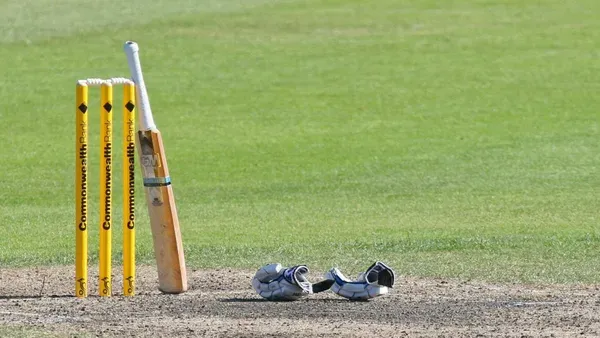
New Marylebone Cricket Club (MCC) regulations take effect on October 1, introducing 73 amendments designed to restore equilibrium between batters and bowlers. Modern playing styles and advanced player fitness have heavily favoured aggressive batting recently. To counter this trend, the updated MCC Laws of Cricket 2026 focus on rewarding fielding efforts while tightening technical loopholes.
Final over wickets and fielding rewards
Taking a wicket during the final over of a day's play will no longer result in an immediate close of play. Incoming batters must now face the remaining deliveries of that over. MCC officials state this adjustment offers fielding sides a greater reward for late breakthroughs, forcing batting teams to rethink their nightwatchman strategies.
Strict boundary catch protocols
Fielders can no longer execute the controversial bunny hop boundary catch. To complete a legal catch near the ropes, a fielder must remain completely grounded inside the boundary for the rest of the delivery after their initial contact. Furthermore, deliveries passing above a batter's head will now be officially classified as a Wide rather than a No ball, aligning the written law with current professional match conditions.
Equipment adjustments and inclusivity
Cricket ball terminology has shifted entirely. Moving away from traditional gendered and age-based labels, balls will now be categorized strictly as Size 1, Size 2, and Size 3. To combat the escalating cost of playing gear, Type D laminated bats are now approved for open-age adult cricket. National governing bodies retain the authority to regulate their specific usage levels.
Crease mechanics and match technicalities
Wicketkeepers receive more leniency during the bowler's run-up. Keepers will not face automatic wicketkeeper penalties for extending their gloves in front of the stumps before the delivery, provided they return entirely behind the stumps when the ball is released. Hit wicket dismissals also receive clearer parameters. Batters who lose their balance after executing a shot and fall onto their stumps will be given out, resolving a long-standing gray area. Additionally, the definition of a settled ball has broadened. The ball no longer needs to rest strictly in the hands of the bowler or wicketkeeper to become dead; it can be held by any fielder or remain stationary on the turf.
Running Between Wickets
Umpires now possess precise guidelines regarding deliberate short running. Batters who change their minds mid-run can return to their original crease without penalty, even if they have already crossed. However, if umpires determine the batters intentionally ran short to deceive the fielding side, penalty runs will apply. Furthermore, the fielding captain earns the right to decide which batter takes strike for the subsequent delivery.
Collaborating closely with the International Cricket Council (ICC), the MCC launched a dedicated smartphone application featuring the revised laws. Digital platforms currently offer the rules in English, Hindi, and Urdu, with Kannada and Bangla translations launching shortly.