

.webp)


Delayed transboundary warnings worsen deadly Himalayan glacier flood impacts
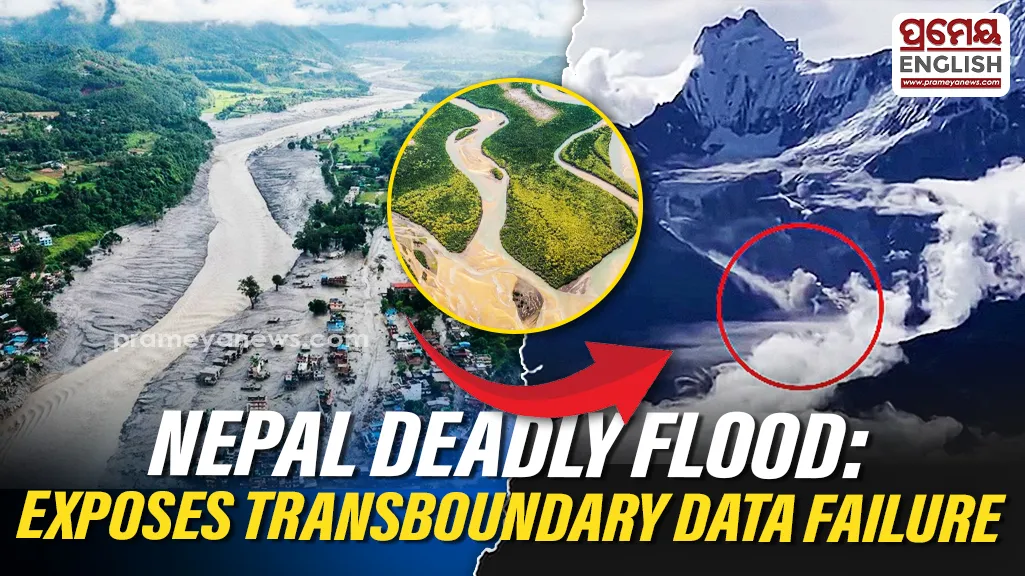
Nearly 800 people have died and over 3,000 remain missing following a catastrophic glacier collapse that sent destructive mudslides tearing through Himalayan mountain communities. Water levels in affected regions surged by nine meters within a mere 30 minutes, effectively eliminating any realistic evacuation window for downstream settlements. For decades, the Hindu Kush Himalayas have functioned as a volatile ecological frontier, and rising global temperatures make this region increasingly susceptible to sudden geographical shifts.
Diplomatic Friction over Hydrological Warnings
Nepali authorities formally requested improved monitoring of high-altitude hazards months before this tragedy occurred. While experts clarified that sluggish administrative progress did not independently trigger this specific natural disaster, the absence of real-time intelligence left vulnerable populations entirely exposed. Representatives from Nepal's Department of Hydrology and Meteorology previously urged their northern neighbors to supply immediate observations regarding avalanches, sudden water level fluctuations, and potential river blockages, arguing that basic rainfall forecasts are insufficient.
Officials in Beijing maintained that they supplied vital meteorological intelligence promptly. Chinese diplomats highlighted the extreme technical difficulties involved in tracking natural threats across deep, unstable mountain terrains previously fractured by regional earthquakes. Prior to the breach, Chinese weather stations did share heavy precipitation alerts for the Tibet region utilizing digital messaging platforms.
Cryospheric Hazards Demand Immediate Solutions
Scientists trace the recent destruction directly to a cascading geomorphic hazard rather than simple monsoon rains. Satellite analysis indicates a large section of ice and rock broke loose in the high-altitude catchments, temporarily damming the river system. Once this natural barrier failed under immense hydrostatic pressure, an energetic wave of sediment, boulders, and water roared downward into Nepal.
Such sudden cryospheric events indicate that critical waterways, including the turbulent Trishuli River corridor, require immediate and highly advanced transboundary surveillance. Paleoscience researchers strongly recommend deploying continuous river gauges, sophisticated weather radar, and seismic sensors across borders to detect high-altitude ice collapses instantly. During earlier bilateral discussions, both nations explored ways to deepen their meteorological partnerships following similar glacial lake outburst floods in 2025. Because temporary ice blockages can breach in a matter of minutes, frictionless cross-border cooperation and instantaneous data transmission remain the only viable defenses against recurring mountainous catastrophes.
Image Courtesy: ANI
.webp)