
.webp)


Bhubaneswar, October 15: The fifth day of Navratri is dedicated to Maa Skandamata, the fifth manifestation of Goddess Durga. Revered as the goddess of motherhood, love, compassion and protection, Maa Skandamata holds a special place in Hindu tradition. Devotees worship her with deep faith, seeking peace, prosperity, wisdom and the well-being of their families.
Who Is Maa Skandamata?
The name Skandamata is derived from two Sanskrit words — Skanda, another name for Lord Kartikeya, and Mata, meaning mother. She is worshipped as the mother of Lord Skanda, also known as Kartikeya, the god of war.
According to Hindu beliefs, Maa Skandamata represents the divine power of a mother who nurtures, protects and guides her children. Her form symbolises the perfect blend of maternal affection and immense spiritual strength.
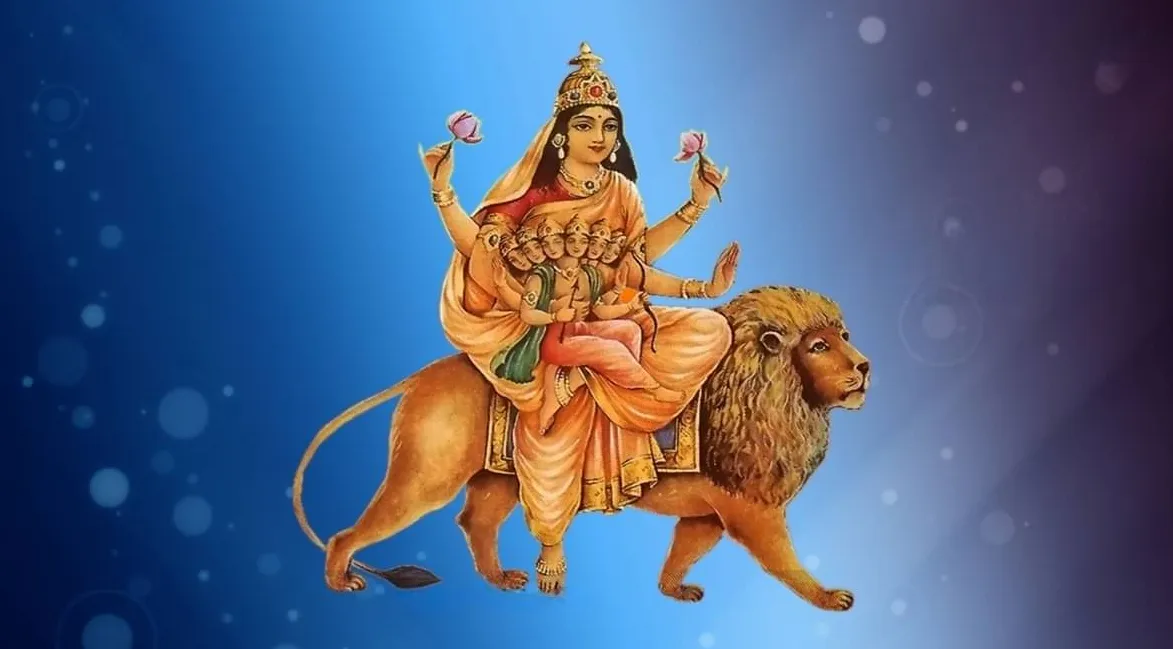
The divine form of Maa Skandamata
Maa Skandamata is generally depicted seated on a lotus, which is why she is also known as Padmasana Devi. She is usually portrayed with four arms, holding lotus flowers in two hands, while one hand is raised in a gesture of blessing. In another arm, she carries infant Lord Skanda.
Her serene appearance reflects purity, tranquillity and unconditional love. Often depicted with a radiant complexion, she is also associated with the colour white, symbolising peace and purity.
Significance of worship on the fifth day
The fifth day of Navratri is considered auspicious for worshipping Maa Skandamata. Devotees believe that praying to the goddess helps remove obstacles, calm the mind and strengthen the bond between parents and children.
Her worship is also associated with spiritual growth and inner peace. It reminds devotees that true strength lies not only in power but also in compassion, patience and selfless love.
According to Hindu tradition, Maa Skandamata blesses her devotees with wisdom, happiness and prosperity. Her grace is believed to guide individuals towards righteousness and help them overcome difficulties with courage and faith.
Puja rituals and offerings
On the fifth day of Navratri, devotees wake up early, take a bath and offer prayers to Maa Skandamata. The goddess is worshipped with flowers, incense, lamps and traditional offerings. Devotional hymns and mantras are recited to seek her blessings.
Bananas are commonly offered to the goddess, as they are traditionally associated with her worship. Many devotees also observe a fast and participate in special pujas at temples and homes.
The rituals are performed with devotion, purity and a sincere desire for divine grace.
The spiritual message of Maa Skandamata
Maa Skandamata teaches the importance of love, sacrifice, courage and compassion. Her image with Lord Skanda in her lap reflects the sacred relationship between a mother and her child, while her divine power symbolises the strength required to protect and nurture others.
As devotees celebrate the fifth day of Navratri, the worship of Maa Skandamata serves as a reminder that a compassionate heart and a peaceful mind are essential for a meaningful life.
With prayers and devotion, devotees seek the goddess's blessings for a happy family, good health, prosperity and spiritual fulfilment.
On the fifth day of Navratri, may Maa Skandamata bless everyone with peace, wisdom, happiness and divine protection.
.webp)