

.webp)


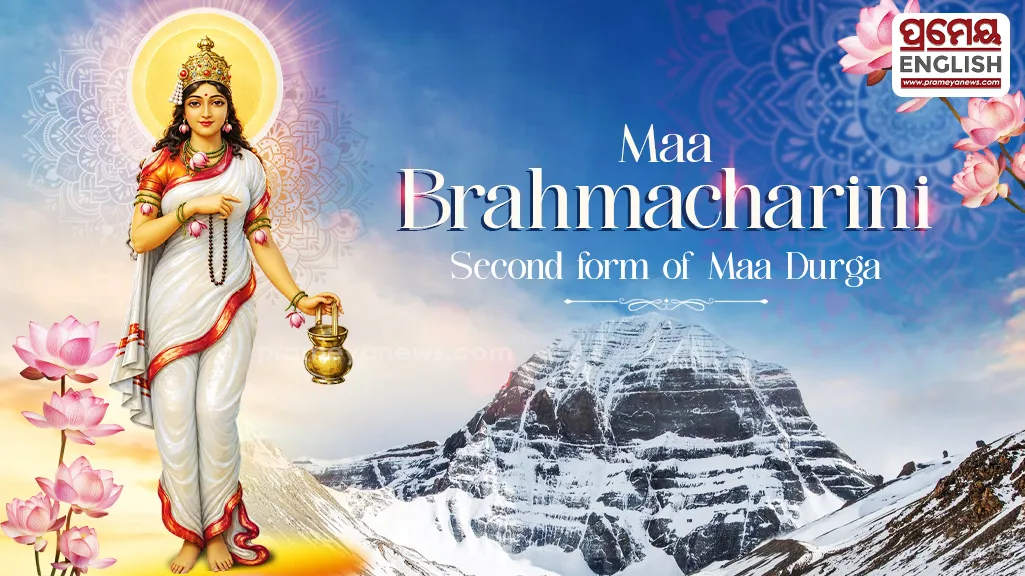
The second day of Sharad Navratri is dedicated to Maa Brahmacharini, the second form of Goddess Durga, who symbolises penance, devotion, discipline and determination. Worshipped on October 12, 2026, the Goddess inspires devotees to remain patient, committed and strong while facing life's challenges.
During the nine-day festival, devotees worship different forms of Maa Durga and observe rituals, prayers and fasting according to their family traditions. Maa Brahmacharini holds special significance for those seeking inner strength, peace and spiritual growth.
Who is Maa Brahmacharini?
Maa Brahmacharini is regarded as an incarnation of Goddess Parvati, the daughter of King Himavan, the ruler of the mountains, and Queen Maina.
Also Read: Navratri 2026: Ghatasthapana muhurat, puja vidhi & rules
According to Hindu mythology, after taking birth as Parvati, she resolved to marry Lord Shiva, her husband from a previous birth. Sage Narada advised her to undertake intense penance to fulfil her wish.
Determined to attain Lord Shiva through devotion, Parvati began a long period of spiritual discipline. Her unwavering dedication eventually earned her the name Brahmacharini, referring to one who follows the path of penance.
The story behind Maa Brahmacharini
According to popular Hindu legends, Parvati performed severe penance for thousands of years to win Lord Shiva's acceptance.
Initially, she survived on fruits and flowers. Later, she gave up these foods and sustained herself on leaves before abandoning even those as her penance continued.
Because she gave up eating leaves, she came to be known as Aparna. Her mother, Maina, was deeply distressed by her daughter's intense austerities and called out, “Uma,” a name that also became associated with Goddess Parvati.
Impressed by her determination and devotion, Lord Brahma is said to have blessed Parvati, assuring her that her wish would be fulfilled. Lord Shiva eventually accepted her as his wife.
The story of Maa Brahmacharini teaches the importance of patience, perseverance, self-control and unwavering faith.
What does Maa Brahmacharini symbolise?
Maa Brahmacharini represents tapasya, or spiritual penance, along with dedication and restraint.
Her calm appearance symbolises inner strength rather than physical power. Her story reminds devotees that meaningful goals often require discipline, sacrifice and sustained effort.
The Goddess is worshipped by devotees seeking courage to overcome difficulties, clarity in their decisions and the strength to remain committed to their responsibilities.
Maa Brahmacharini's appearance
Maa Brahmacharini is traditionally depicted in simple attire, holding a japa mala (prayer beads) in her right hand and a kamandalu (water pot) in her left hand.
The prayer beads represent devotion and continuous remembrance of the divine, while the kamandalu is associated with spiritual discipline and the ascetic life.
Unlike the more fierce forms of Maa Durga, Brahmacharini is represented with a serene and peaceful expression, reflecting her devotion and dedication.
Maa Brahmacharini puja vidhi
Devotees worship Maa Brahmacharini on the second day of Navratri through prayers and traditional offerings. The rituals may vary according to regional and family customs.
Common practices include:
Clean the puja area: Bathe and prepare a clean space for worship.
Offer prayers: Place the Goddess's idol or image and begin the puja with devotion.
Light a diya: Offer flowers, incense and other customary puja items.
Offer bhog: Present fruits, sweets or other traditional offerings to the Goddess.
Chant mantras: Recite prayers dedicated to Maa Brahmacharini.
Perform aarti: Conclude the worship with aarti and prayers for peace, strength and well-being.
Devotees who observe a fast should follow practices suitable to their health and family traditions
Mantra for Maa Brahmacharini
Devotees commonly chant the following mantra while worshipping the Goddess:
“Om Devi Brahmacharinyai Namah.”
The mantra is a devotional salutation to Maa Brahmacharini. Devotees chant it while praying for strength, discipline, peace and spiritual progress.
Significance of Worshipping Maa Brahmacharini
Worshipping Maa Brahmacharini on Navratri's second day is associated with developing patience, determination and self-discipline.
Her life story encourages devotees not to abandon their duties when faced with difficulties. It also highlights the importance of sincerity and commitment in achieving one's goals.
As Navratri celebrations continue, Maa Brahmacharini's message remains relevant beyond religious rituals: perseverance, self-control and faith can help people face adversity with courage and a calm mind.
.webp)