
.webp)

Sharad Navratri 2026 begins on October 11, bringing nine days of prayer, devotion and worship dedicated to the nine forms of Maa Durga. Devotees across India will observe the festival through fasting, daily puja, special bhog and traditional rituals, culminating in Vijayadashami on October 20.
Beyond religious rituals, Navratri is also a time for many families to follow traditional practices, maintain discipline and focus on faith and positivity.
When is Navratri 2026?
Sharad Navratri will begin on Sunday, October 11, 2026, with Ghatasthapana marking the start of the festival. The nine-day observance will conclude with Maha Navami, followed by Vijayadashami on October 20.
The principal dates are:
October 11: Navratri begins; Maa Shailputri Puja
October 18–19: Ashtami and Navami observances, depending on the local Panchang and tithi timings
October 20: Vijayadashami or Dussehra
Some Panchang calendars differ on the observance of Maha Ashtami and Maha Navami because of the timing of the lunar tithis. Devotees should check their local Panchang for the appropriate rituals.
Navratri 2026 Ghatasthapana Muhurat
For Delhi, the Ghatasthapana muhurat on October 11 is scheduled as follows:
Date: October 11, 2026
Morning Muhurat: 6:19 am to 10:12 am
Abhijit Muhurat: 11:44 am to 12:31 pm
These timings are specific to Delhi. The auspicious window may differ in other cities, so devotees should consult their local Panchang before performing the ritual.
Navratri Puja Vidhi: How to worship Maa Durga
Gurudev Vikrant Jain recommends keeping Navratri worship simple, peaceful and sincere. Devotees can follow these traditional steps according to their family customs.
1. Clean the Home and Puja Area
Take a bath and clean the place where the Kalash will be installed. A clean and peaceful environment is considered important for beginning the worship.
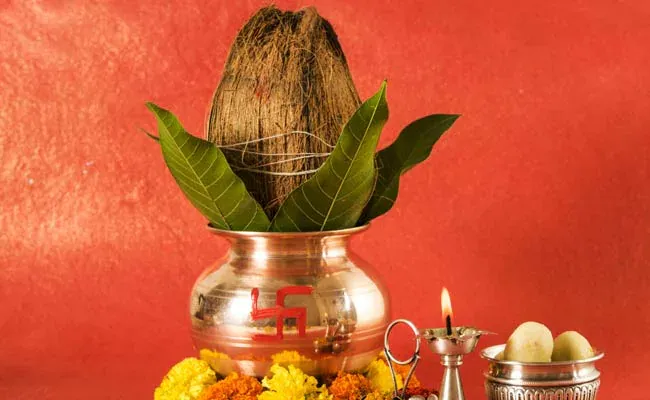
2. Perform Ghatasthapana
Place a clean Kalash on a prepared platform and fill it with water. Arrange the traditional leaves, coconut and other required items according to the prescribed ritual and family tradition.
Ghatasthapana symbolises the beginning of Navratri worship and the invocation of divine blessings.
3. Sow Barley Seeds
Many devotees sow barley, known as jau, in soil near the Kalash. The growing barley is an important part of the traditional Ghatasthapana ritual.
4. Offer Prayers to Maa Durga
Light a diya and incense, offer flowers and take a sankalp, or spiritual resolve, for the nine-day observance. Devotees may pray for strength, peace, prosperity and the well-being of their families.
5. Offer Bhog
Offer fresh fruits, sweets and other sattvik food to Maa Durga. The choice of bhog may vary according to the form of the Goddess worshipped and the family's religious traditions.
6. Chant Mantras and Read Prayers
Devotees can chant Maa Durga's mantras, recite the Durga Chalisa or read other sacred texts as part of their daily worship.
7. Perform Aarti
Conclude the puja with Maa Durga's aarti. Maintaining a regular prayer routine throughout the nine days is a common practice among devotees.
Dos during Navratri 2026
Devotees following traditional Navratri practices may keep these points in mind:
· Keep the home and puja area clean.
· Bathe before performing daily puja.
· Light a diya and offer prayers regularly.
· Eat simple, sattvik food according to family customs.
· Observe fasting according to your health and religious tradition.
· Maintain a calm and positive attitude.
· Help those in need and donate if possible.
· Treat others with kindness and respect.
Don’ts during Navratri
· Traditional customs also encourage devotees to avoid practices considered unsuitable during the festival.
· Avoid unnecessary arguments and harsh words.
· Avoid alcohol and non-vegetarian food if these are restricted under your family's Navratri observance.
· Do not neglect cleanliness in the puja area.
· Avoid rushing through rituals without devotion.
· Do not waste food offered as bhog.
· Do not force yourself to fast if you have health concerns or medical restrictions.
· Fasting practices vary, and people with medical conditions should follow appropriate medical advice.
Why is Ghatasthapana important?
Ghatasthapana marks the beginning of Navratri and establishes the Kalash as a central element of worship. The ritual is performed at an auspicious time, following traditional procedures and prayers.
For many devotees, it symbolises the start of nine days dedicated to Maa Durga's different manifestations and the seeking of divine blessings.
Maha Ashtami, Maha Navami and Vijayadashami 2026
Maha Ashtami and Maha Navami are among the most important days of Navratri. Devotees perform special puja, observe fasts and, in many traditions, conduct Kanya Pujan to honour young girls as manifestations of the divine feminine.
The observance dates may vary according to local Panchang calculations and the timing of the lunar tithis.
Navratri will conclude with Vijayadashami on October 20, 2026, a festival associated with the victory of good over evil and the triumph of righteousness.
As Navratri begins on October 11, devotees are preparing to welcome Maa Durga with prayers, fasting and traditional rituals, celebrating the festival's enduring message of faith, strength and positivity.
.webp)