


Technical glitches threaten vital rescue mission for aging spacecraft
Engineers are scrambling to regain control of a private servicing spacecraft meant to save an aging NASA telescope. Katalyst Space launched its LINK spacecraft on July 3 aboard a Northrop Grumman Pegasus XL rocket from Kwajalein Atoll in the Marshall Islands. The critical rescue mission faces serious trouble due to a propulsion system malfunction during initial orbit checks. Extending the operational life of legacy satellites has become increasingly crucial for space agencies facing tighter budgets and mounting orbital debris concerns.
Propulsion failure triggers communication blackout
Thruster anomalies caused the LINK spacecraft to spin out of control shortly after deployment. This unexpected tumbling motion interrupted vital communications between the satellite and mission controllers. NASA and Katalyst Space teams are currently working to stabilize the craft. Engineers are analyzing telemetry data carefully. They must restore stable attitude control before proceeding with their original rescue plan.
Racing against atmospheric drag
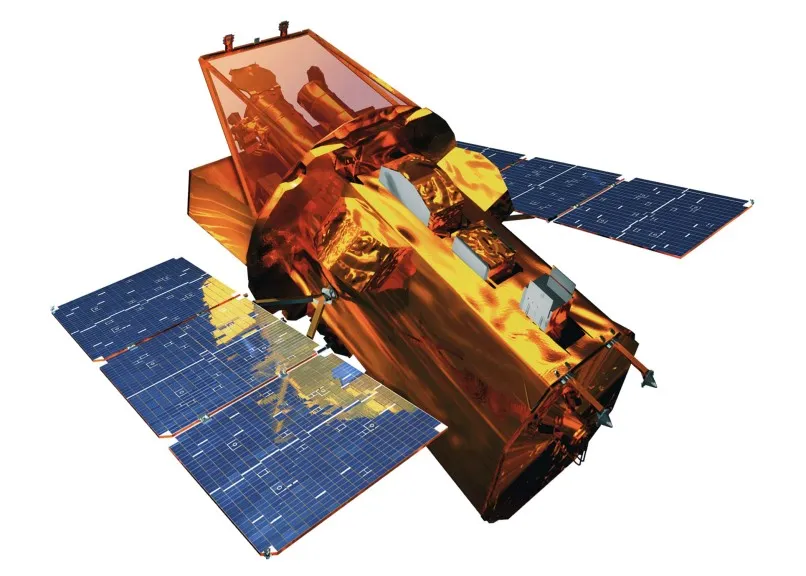
Swift originally launched into space in November 2004 to study highly energetic cosmic events. These include gamma-ray bursts, black holes, and supernovae. Over two decades, it has become one of NASA's most productive astrophysics tools. High solar activity recently accelerated atmospheric drag on the telescope, causing its orbit to decay rapidly. Without immediate intervention, Swift will re-enter Earth's atmosphere much sooner than planned.
Unlike standard satellites, LINK was not built to carry scientific instruments. Engineers designed it specifically to rendezvous with Swift, dock securely, and slowly raise the telescope's altitude over several months. Regaining control of the tumbling servicing craft remains essential right now. If recovery efforts succeed, LINK will continue its approach and potentially grant the veteran observatory several more years of scientific operation.