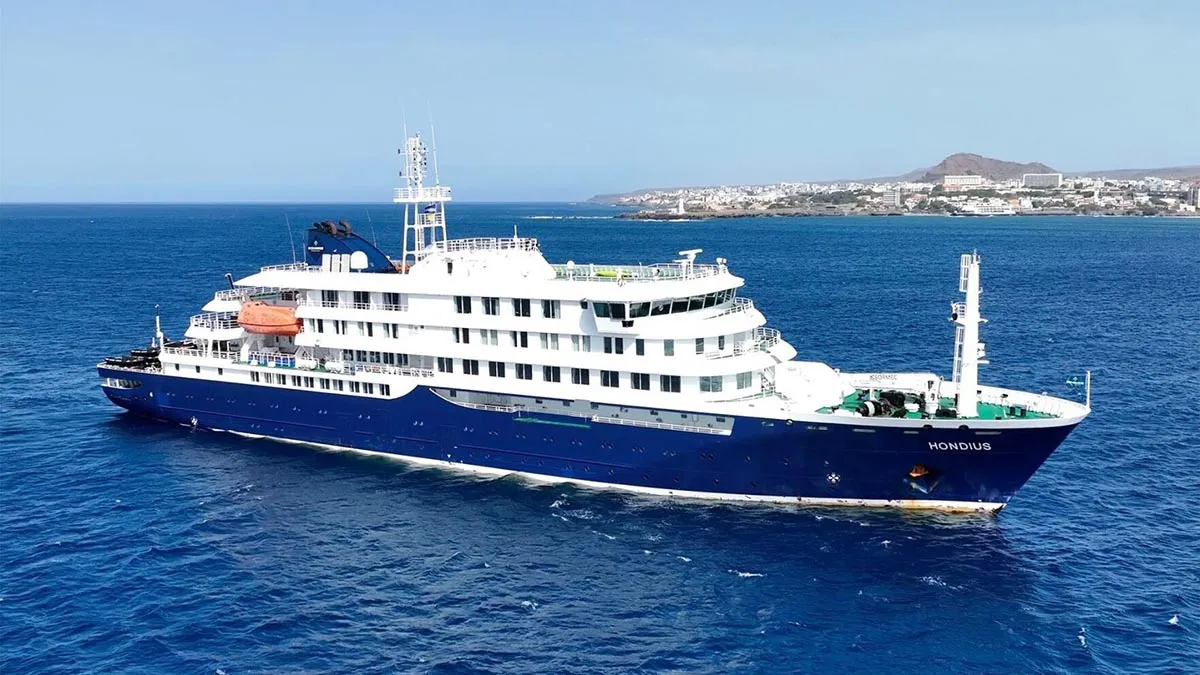
MV Hondius reaches Tenerife for high-security evacuation after fatal Hantavirus outbreak
Health officials in Spain have initiated a controlled evacuation of the MV Hondius cruise ship in Tenerife after three passengers died from hantavirus. Global authorities are implementing strict quarantine measures to contain the rare Andes strain, which allows for human-to-human transmission
Published By : Satya Mohapatra
| May 10, 2026 2:18 PM
Emergency evacuation begins in Tenerife for hantavirus-stricken cruise ship.
Spanish authorities launched a high-stakes medical evacuation on Sunday morning as the MV Hondius cruise ship docked in Tenerife following a deadly outbreak of the rare Andes hantavirus. This operation, involving nearly 150 passengers and crew, follows the tragic deaths of three individuals on board.Health ministry teams in the Canary Islands are managing the disembarkation under strict protocols to prevent any contact with the local population.
Global health experts from the World Health Organization are currently overseeing the process at the port of Granadilla.Every individual leaving the vessel must undergo rigorous screening before being transferred to sealed buses.Spanish nationals are the first group scheduled for repatriation, with plans to fly them directly to Madrid via government aircraft for an extended quarantine period.
Andes Virus Threat
Andes hantavirus stands out among similar pathogens because it is the only strain capable of spreading through direct human contact. While most hantaviruses require exposure to rodent droppings or urine, this specific variant demands extreme caution in enclosed environments like cruise ships. Scientific data suggests the virus originated from a couple who had recently traveled through endemic regions in South America before boarding the ship in April.
Medical specialists confirm that while many on board currently show no symptoms, the long incubation period of up to eight weeks necessitates a 45-day isolation window for all contacts. This incident has raised significant concerns regarding health safety in niche eco-tourism, which often brings travelers into close proximity with diverse wildlife habitats.