


Everest waste contamination threatens millions downstream as glaciers melt
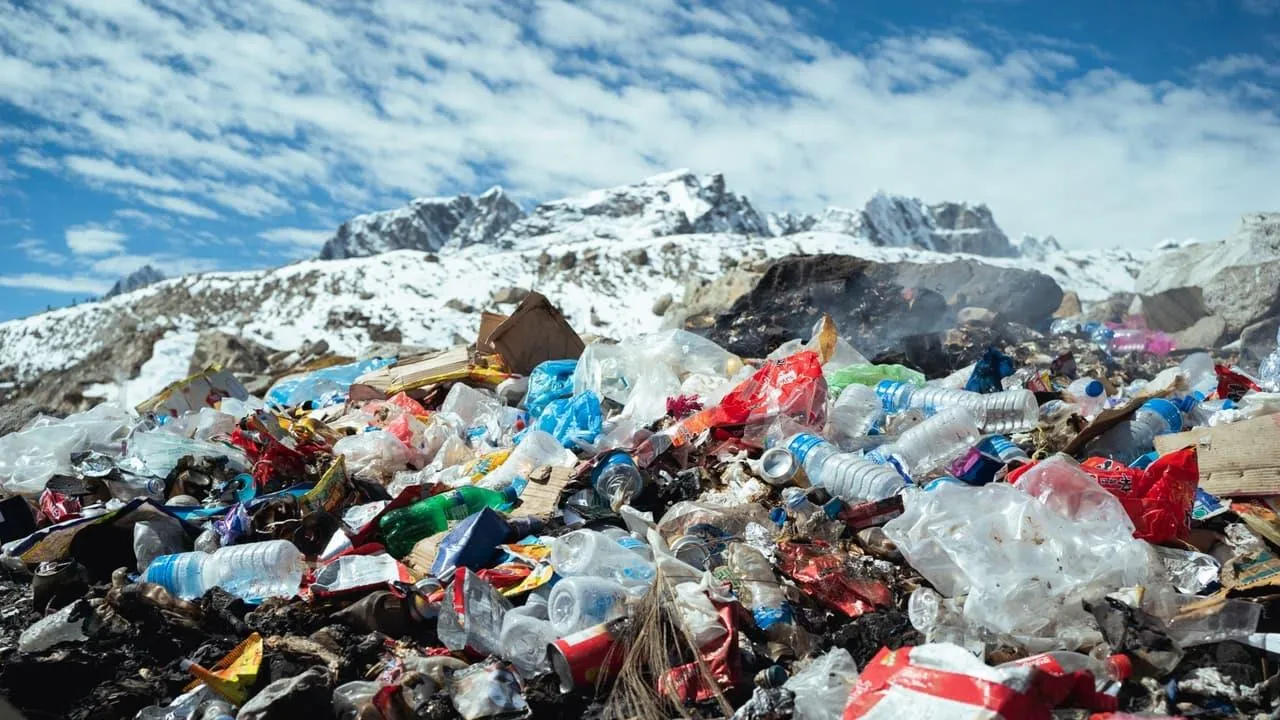
Over forty tonnes of toxic waste currently clog the Camp Four region on Mount Everest, creating an unprecedented ecological emergency. This dangerous buildup follows a record-shattering 2026 climbing season, which saw nearly 900 successful summits. High-altitude pollution has reached critical levels at 7,900 metres on the South Col, turning the pristine landmark into an open dump.
Data from the current season shows that Nepal issued 494 foreign permits, resulting in extreme trail congestion. On May 20 alone, a staggering 274 individuals summited, forcing long queues in freezing temperatures. When survival hangs in the balance, exhausted climbers frequently ditch heavy oxygen cylinders, shredded tents, and plastic packaging to save their lives. Because temperatures remain below freezing, this rubbish never decays.
Environmentalists warn that this problem extends far beyond mountaineering safety. Rapidly melting glaciers, accelerated by global climate patterns, are beginning to expose decades of deeply buried chemical waste and human refuse. This toxic runoff leaks straight into freshwater streams used by communities living in the valleys. Existing deposit refund rules have failed because climbers prefer collecting rubbish around lower base camps rather than risking their lives in the thin air of the upper slopes. To address this loophole, authorities are implementing an emergency action plan spanning until 2029. This strategy introduces dedicated high-altitude mountain rangers, increased environmental fees, and mandatory biodegradable packaging.

Garbage at Camp Four - 'Death Zone'