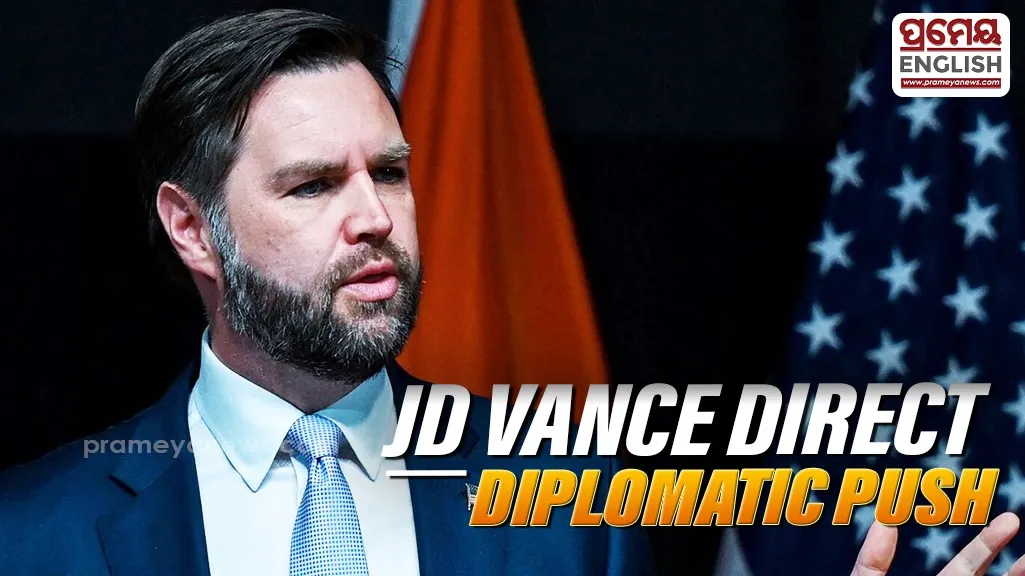
US Vice President JD Vance leads renewed diplomatic engagement
United States Vice President JD Vance is exploring face-to-face negotiations with a high-ranking Iranian security official. President Donald Trump has officially empowered Vance to manage new diplomatic strategies aimed at resolving ongoing hostilities with Tehran. Recent reporting by The Wall Street Journal, quoting various American and Middle Eastern sources, indicates that these discussions remain in preliminary phases without a confirmed schedule. Washington continues to communicate with Iranian representatives through regional intermediaries to facilitate potential dialogue. In October, Vance sent correspondence to Mohsen Rezaei, the secretary-general of Iran's Supreme National Security Council, proposing a formal meeting. Speaking on Tuesday, Rezaei confirmed that no timetable currently exists for such an encounter.
Shifting diplomatic strategies
Placing the Vice President in charge marks a noticeable change in Washington's strategy toward Tehran. Envoys Steve Witkoff and Jared Kushner have shifted to supporting roles as Vance assumes primary responsibility for these negotiations. Managing this initiative presents significant political stakes for Vance. Achieving a resolution could boost his political influence by bringing an end to the conflict, while failing to reach a deal might lead to severe domestic criticism. Vance recently connected the ongoing military engagement to Republican losses in the recent midterm elections, describing the situation as an electoral disadvantage. This perspective contrasts with the views of State Secretary Marco Rubio and War Secretary Pete Hegseth, who continue to support the broader military approach.
Also read: Ganjam floods: Suresh Pujari blames 24 years of neglect, defends government’s response
Internal divisions and background context
Behind the scenes, Trump has expressed concerns regarding a June memorandum of understanding that Vance helped negotiate. Two government officials noted that the President considers that specific arrangement a strategic misstep, arguing it enabled Tehran to rebuild military capacity and earn oil revenues. A White House spokesperson later dismissed rumors of presidential regret, defending the negotiating team's integrity. Within the administration, differing opinions persist. Rubio and White House Chief of Staff Stephen Miller argue for maintaining the current naval blockade until Iranian authorities meet American demands. The current diplomatic push follows a wider conflict that began on February 28 with joint US-Israeli military strikes against Iranian targets. While an April ceasefire led to a framework agreement in June, efforts to finalize a lasting peace treaty have since stalled.


.webp)


.webp)