
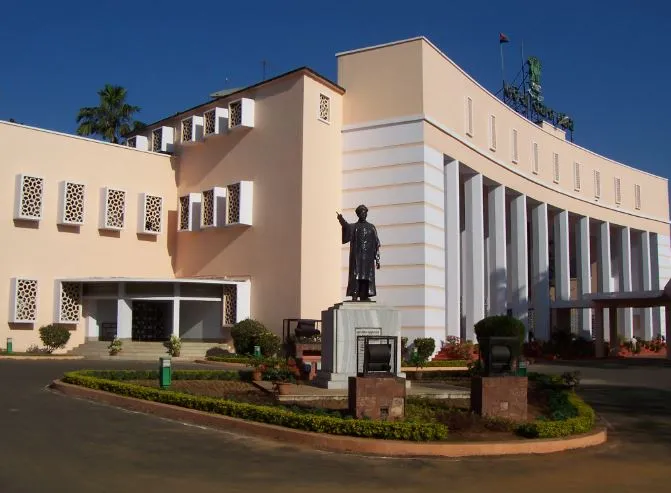
Bhubaneswar, March 16: Voting for four Rajya Sabha seats in Odisha was briefly disrupted in the State Assembly in Bhubaneswar on Monday after a controversy broke out over BJP MLA Upasna Mohapatra’s ballot, with opposition parties objecting to her being issued a second ballot paper after an alleged voting error.
The controversy began when Mohapatra allegedly made an error while marking her ballot paper. After overwriting on the ballot, she requested a fresh ballot from polling officials. Her request immediately triggered objections from representatives of the Biju Janata Dal (BJD) and the Congress, who questioned the decision to issue another ballot paper.
Amid the objections, the voting process was temporarily halted.
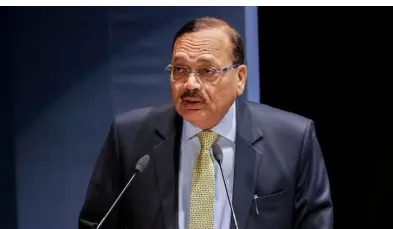
Leader of Opposition and BJD president Naveen Patnaik alleged that election rules were violated in the handling of Mohapatra’s vote. According to him, once the MLA made a mistake while casting her ballot, she should not have been allowed a second ballot paper.
"The lady MLA from Brahmagiri made a clear mistake while voting. However, the officers present in the voting room, who are in charge, have illegally accepted her vote and issued a second ballot paper. This is completely against democratic norms and a violation of election rules. We strongly object to this. Some of our members have raised the issue, but they are not listening, thereby destroying the democratic election process," Patnaik said.