


Auto industry body denies recent ethanol petrol contamination rumours
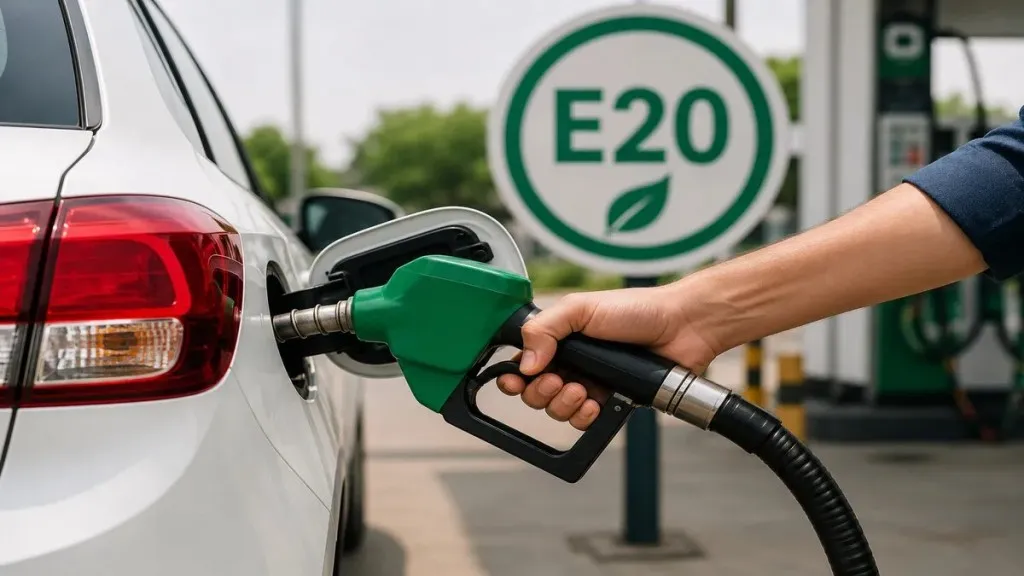
Society of Indian Automobile Manufacturers (SIAM) recently stepped in to correct misleading claims about E20 fuel quality circulating in the media. Officials stated that recent articles selectively published excerpts from internal technical discussions regarding ethanol-blended petrol. Initial rumours suggested high chloride levels and excessive moisture were actively destroying vehicle fuel pumps, exhaust gas recirculation valves, and fuel injectors. India is actively pushing its ethanol blending programme to reduce crude oil import dependency and cut national carbon emissions.
Strict Regulatory Testing Standards Ensure Safety
Industry representatives clarified that the regulatory framework for testing fuel remains highly rigorous. Oil Marketing Companies (OMCs) currently screen petrol against more than 150 distinct quality parameters before it reaches consumers. Furthermore, the Ministry of Petroleum and Natural Gas already enforces a strict 3 ppm limit for both chloride and sulphur in ethanol used for blending.
To stop moisture-related engine issues, authorities run mandatory water ingress tests 8 to 12 times every single day. These frequent tests take place across more than 87,000 fuel outlets nationwide. Workers also perform extra safety checks immediately after heavy rainfall near petrol stations to maintain optimal fuel integrity.
Unverified Figures Require Validation
Deleted reports recently caused public panic by alleging chloride contamination reached up to 500 mg/kg inside vehicle fuel tanks. These same unverified articles claimed chloride levels hit 350 mg/kg in samples taken directly from retail pumps. SIAM stressed that these alarming numbers completely lack proper validation. Representatives noted that collecting detailed data from multiple regions is necessary before drawing hard conclusions about fuel safety.
Auto Industry Discussions Misinterpreted
Technical talks between auto manufacturers, OMCs, and testing agencies happen regularly to improve performance. Officials explained that highlighting isolated excerpts paints a false picture of the entire ethanol blending initiative. Auto industry leaders continue to fully support the government programme. They confirmed that such technical challenges have always been handled routinely over past decades without causing consumer risk or widespread engine failure.