



ଓଡ଼ିଆ | ENGLISH
ଓଡ଼ିଆ | ENGLISH
T20
T20

Iranian missile strikes leave 16 US bases across Gulf crippled

Iran's targeted strikes against American military hubs have redefined the security landscape in the Persian Gulf. Sophisticated radar and aircraft losses highlight a new era of vulnerability for previously formidable installations.
Published By : Satya Mohapatra | May 2, 2026 10:36 AM
Iranian missile strikes leave 16 US bases across Gulf crippled

Iran inflicts severe destruction on major American military installations

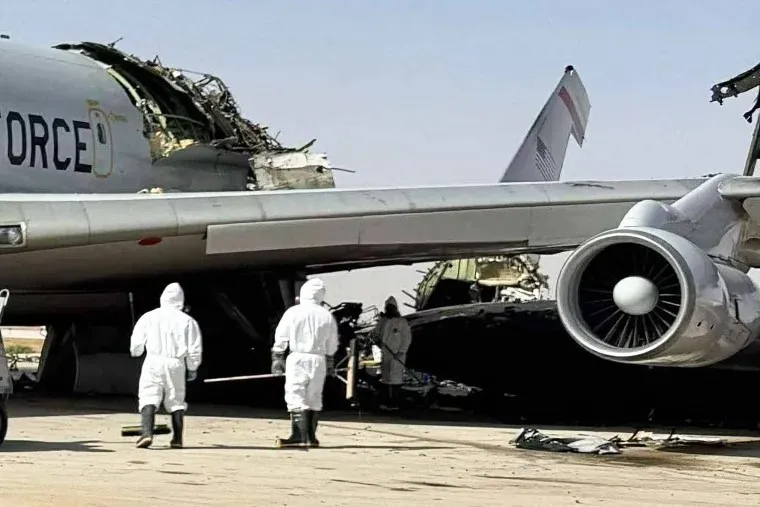
Investigative reports reveal that Iranian missile and drone strikes have caused extensive destruction across 16 American military installations in eight countries. Camp Buehring in Kuwait, once a high-activity desert hub, now sits largely empty and severely broken after weeks of persistent bombardment. This level of damage to American infrastructure in the Gulf has no historical parallel, leaving many facilities virtually unusable.

Iran successfully neutralized high-value assets, including Boeing E3 Sentry aircraft. These planes, each worth nearly $500 million, provided essential visibility over the region but are no longer in production. Sophisticated radar systems and satellite communication terminals, often called radomes, were also primary targets. Out of the numerous protective "golf ball" structures housing vital data dishes, only one remains intact less than a month into the hostilities.

Strategic Vulnerability Exposed

Military assessments suggest these strikes were calculated to hit the most expensive and limited resources first. Radar systems are difficult to replace and essential for air defence, making their loss a critical blow to operational readiness. Even Al-Udeid Air Base in Qatar, the central command hub for American air power, suffered two direct hits to its war room.

Historically, American bases in the Gulf served as a stabilizing force for energy security, but the recent 2026 conflict has forced regional allies to reassess these long-standing security guarantees. This shift in the regional security architecture mirror earlier geopolitical realignments seen during the 1979 oil crisis, yet with much higher technological stakes involving high-resolution satellite imagery.

Evacuations and Economic Fallout

Defence officials have relocated most personnel from traditional barracks to the safety of private hotels and apartments. While the Pentagon maintains that forces remain operational, internal estimates suggest the cost of repairs and equipment loss has reached $50 billion. This financial burden complicates the broader military posture as the region deals with the fallout of the ongoing 2026 Iran war.

Inputs from Agency threads and Public Domain, Image courtesy: NBC News ​​​​​​​