
.webp)

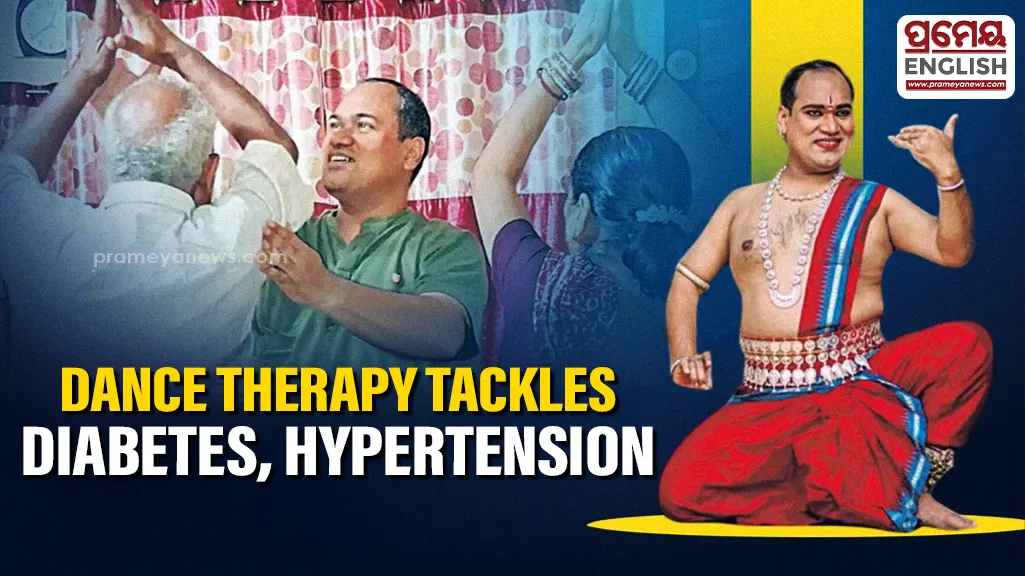
Bhubaneswar, April 29: Dance, long known as a form of art and entertainment, is now increasingly being explored as a therapeutic tool for physical and mental well-being. Moving beyond its traditional role, dance therapy is being used as a complementary approach to treat conditions such as diabetes, obesity, and high blood pressure, with encouraging results reported among patients.
At the forefront of this initiative is Dr. Biswajit Dash from Manoharpur in Balangir district, who has been drawing attention for integrating dance with Ayurvedic healing practices. Dr. Dash, who heads the Panchakarma Department at Balangir Ayurveda College, is also an Odissi dance guru and has been practicing dance therapy for the past six years.
He has reportedly helped several patients reduce or even discontinue their medication after undergoing structured dance therapy sessions. To promote awareness, Dr. Dash conducts workshops across Odisha and other parts of the country, explaining the therapeutic benefits of dance.
As part of his treatment approach, he has developed a 17-minute structured dance routine combining elements of Odissi, Bharatanatyam, and Chhau dance forms. He has also authored a book titled “Yoga and Odissi,” which focuses on the relationship between movement, yoga, and healing.
Speaking about contemporary trends, Dr. Dash said that modern influences have led to a decline in the discipline and purity of traditional dance forms. He stressed that dance should not be performed merely for social media attention, but practiced for physical health, mental peace, and overall well-being.
Dr. Dash, the son of teachers Nrusingha Charan Dash and Jyotsnamayi Dash from Rourkela, developed an early interest in dance after watching performances of legendary dancers on television. He began formal training in Odissi in 1992 under Guru Prafulla Biswal, later continuing under Guru Kelucharan Mohapatra from 2000 to 2004.
During his training, he performed classical compositions such as Dashavatara and Geeta Govinda and received a gold medal in Sangeet Ratna from the Bangiya Sangeet Parishad in Kolkata.
In addition to general patients, Dr. Dash also works with mentally and physically challenged children, providing dance-based therapeutic interventions. He learned this specialized method from Dr. A.V. Satyanarayana in Bengaluru.
He has conducted presentations and workshops at universities and health institutions in Bengaluru, Mysuru, Delhi, and Rajasthan, showcasing the scientific and therapeutic aspects of dance. For over 15 years, he has been training 25–30 students annually in Odissi and dance therapy through his institution “Anushilan.”
Dr. Dash is also a Doordarshan Bhubaneswar-empanelled artist and has been honored by more than 30 organizations across India.
Meanwhile, beneficiaries of the therapy have reported improvements in their health. Senior citizen Gopakrushna Nayak, who had been suffering from diabetes and hypertension, said he has been undergoing dance therapy for the past two months and has noticed significant improvement. He noted that the structured 15–17 minute session, which begins with warm-up-like movements similar to classical dance preparation, has helped improve his condition.
.webp)