
.webp)


Abu Dhabi ends decades of oil coordination to boost output.
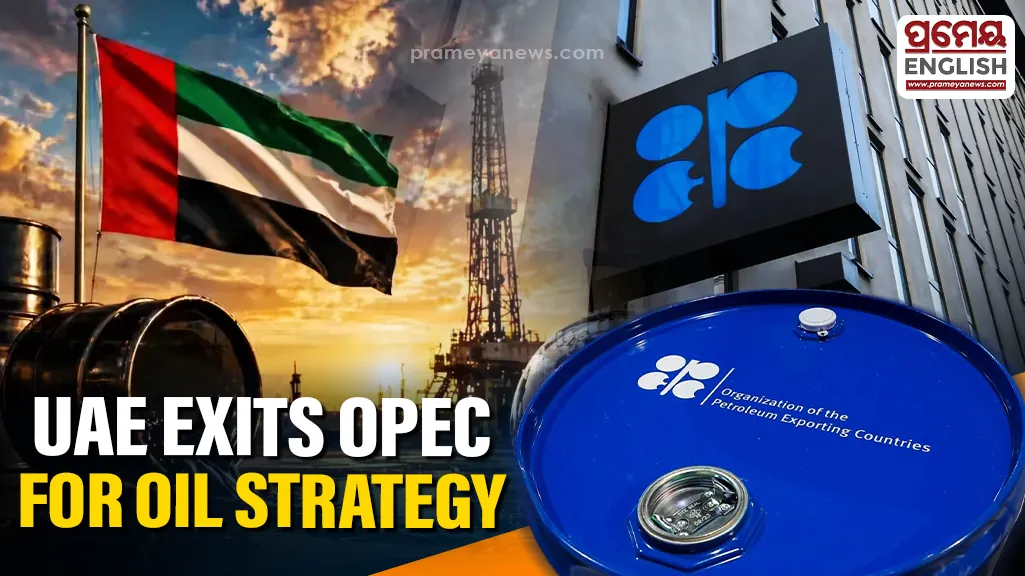
United Arab Emirates officials shocked global energy markets Tuesday by announcing a formal withdrawal from OPEC and the wider OPEC+ alliance effective May 1. This seismic departure by the group's third-largest producer signals a breakdown in the collective bargaining power that has dictated crude prices for over sixty years. By reclaiming sovereign control over its petroleum policy, the Gulf nation intends to monetise its vast reserves more aggressively than current cartel quotas allow.
Energy Minister Suhail Al Mazrouei confirmed the move, stating that the decision aligns with long-term economic goals. Tensions have simmered for years as Abu Dhabi invested $150 billion to expand its capacity through the state-owned ADNOC. While OPEC mandated restrictive caps, the UAE developed the infrastructure to pump nearly 5 million barrels per day. Remaining in the bloc meant leaving nearly 30% of its potential output untapped, a restriction the leadership now deems unsustainable.
Global Market Consequences
Market analysts suggest this exit weakens the "central bank" of oil, as the UAE was one of the few members with significant spare capacity to stabilize prices during supply shocks. For India the world's third-largest oil consumer this fragmentation offers a double-edged sword. While increased independent supply from the UAE could lower import costs, the loss of a unified OPEC may lead to erratic price swings that complicate national fiscal planning.
Historical alliances in the Middle East are shifting as the UAE prioritizes domestic growth over the Saudi-led consensus. This move occurs against the backdrop of the ongoing Strait of Hormuz crisis, which has already throttled regional exports. By exiting now, the UAE positions itself to flood the market as soon as shipping lanes stabilize, potentially capturing market share from its former partners.
Image Courtesy: Nikkei Asia
.webp)