
.webp)

Indian-origin astronaut begins crucial eight-month microgravity medical mission
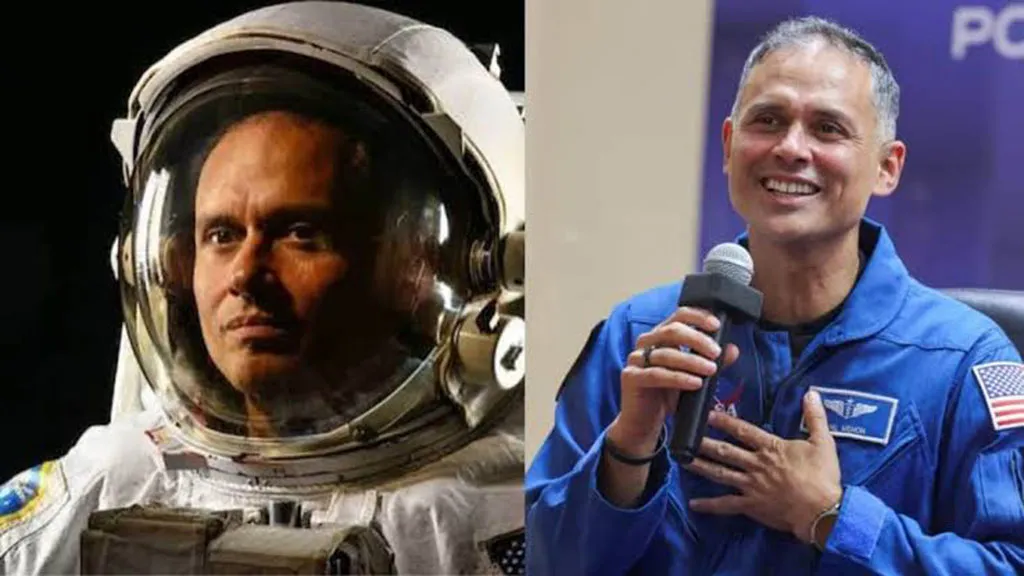
Indian-origin NASA astronaut Anil Menon blasted off toward the International Space Station tonight for an eight-month scientific expedition. Flying aboard a Russian Soyuz spacecraft launched from Kazakhstan's Baikonur Cosmodrome, he joined two Roscosmos cosmonauts for this long-duration flight. Historically, Baikonur has served as the primary departure point for human spaceflight since Yuri Gagarin first orbited Earth in 1961, highlighting the enduring legacy of international orbital cooperation. Dr. Menon brings unique expertise as an emergency and aerospace physician to orbit. He will act as both lead researcher and active test subject during his long stay. Scientists expect his microgravity data to reveal exactly how extended weightlessness affects cardiovascular health and human physiology. NASA desperately needs this vital information to prepare future crews for grueling deep-space missions to Mars.
Testing Future Technology
One major experiment focuses on artificial intelligence in medical diagnostics. Astronauts will test advanced AI-assisted ultrasound scanners, allowing crews to perform complex exams without real-time Earth support. This system will become critical for diagnosing illnesses during distant lunar or Martian flights where extreme communication delays occur naturally. Outer space offers unique industrial benefits that Menon will actively explore. He will help test new methods for manufacturing high-quality semiconductors in orbit. Researchers strongly believe weightless environments can produce completely defect-free materials, potentially revolutionizing high-performance electronics and global communication networks back home.
Bioprinting and Aging Studies
Another significant investigation involves 3D bioprinting complex organic tissues. Scientists hope microgravity heavily improves tissue fabrication, yielding fresh insights into cellular aging. These exciting findings could eventually support new therapies for age-related human diseases.
Before his selection by NASA, Menon worked extensively as a flight surgeon for various commercial missions. His eight months of rigorous testing will generate invaluable data, making future human spaceflight safer while laying the crucial groundwork for the upcoming Artemis lunar landings.
.webp)